The Founder's Code
Honest conversations with the people who built iconic software companies — and, in Season 2, The AI Floor: ground-level conversations with the people actually building AI inside the world's biggest companies. Hosted by Shamil Malachiyev, founder of Fluidlabs.
Now airing: Season 2, The AI Floor
58k+ YouTube subscribers · 39 episodes · 2 seasons
Apply to be a guest
Or suggest someone the show should talk to. We read every submission.
Start with these episodes
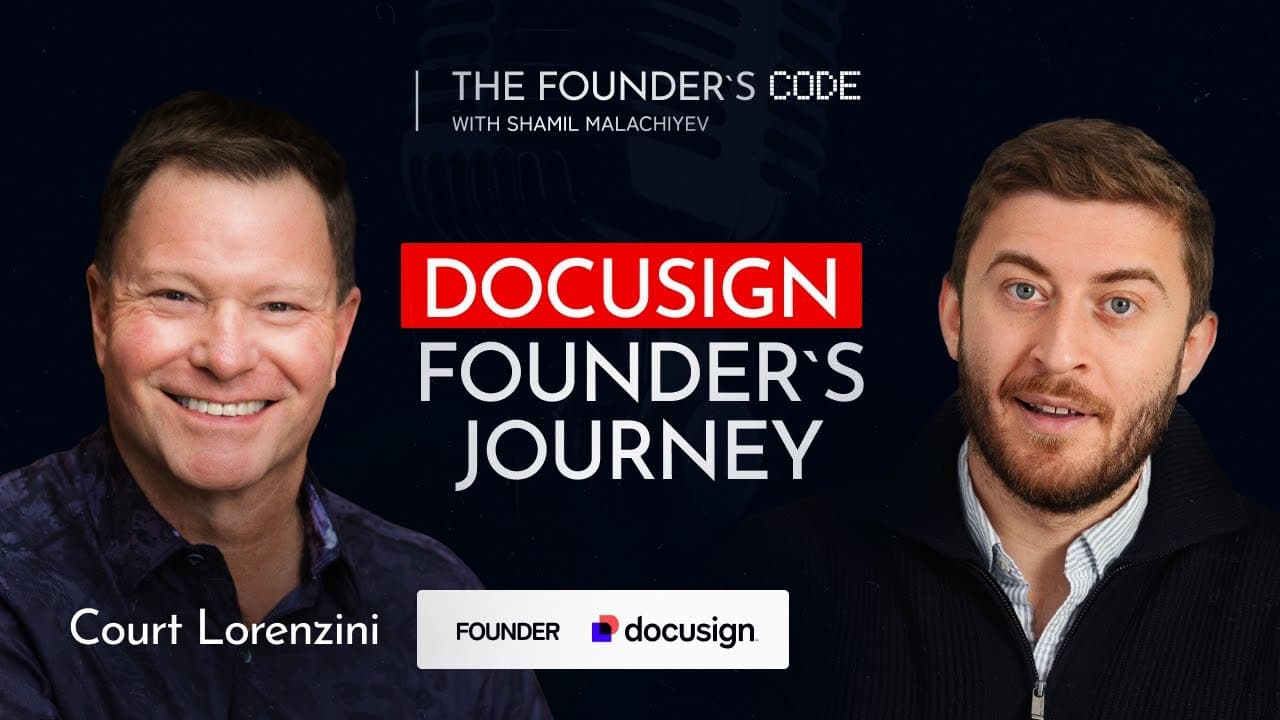
The Real Story Behind DocuSign's Early Struggles – Court Lorenzini
with Court Lorenzini — Founding CEO, DocuSign
Court Lorenzini, DocuSign's founding CEO, says the company survived its early years on unglamorous calls: firing customers it could not afford to serve, turning down an Adobe acquisition, and betting on independence. Then Microsoft's legal team phoned cold, and the sales question changed from "is this legal?" to "how do we implement?"
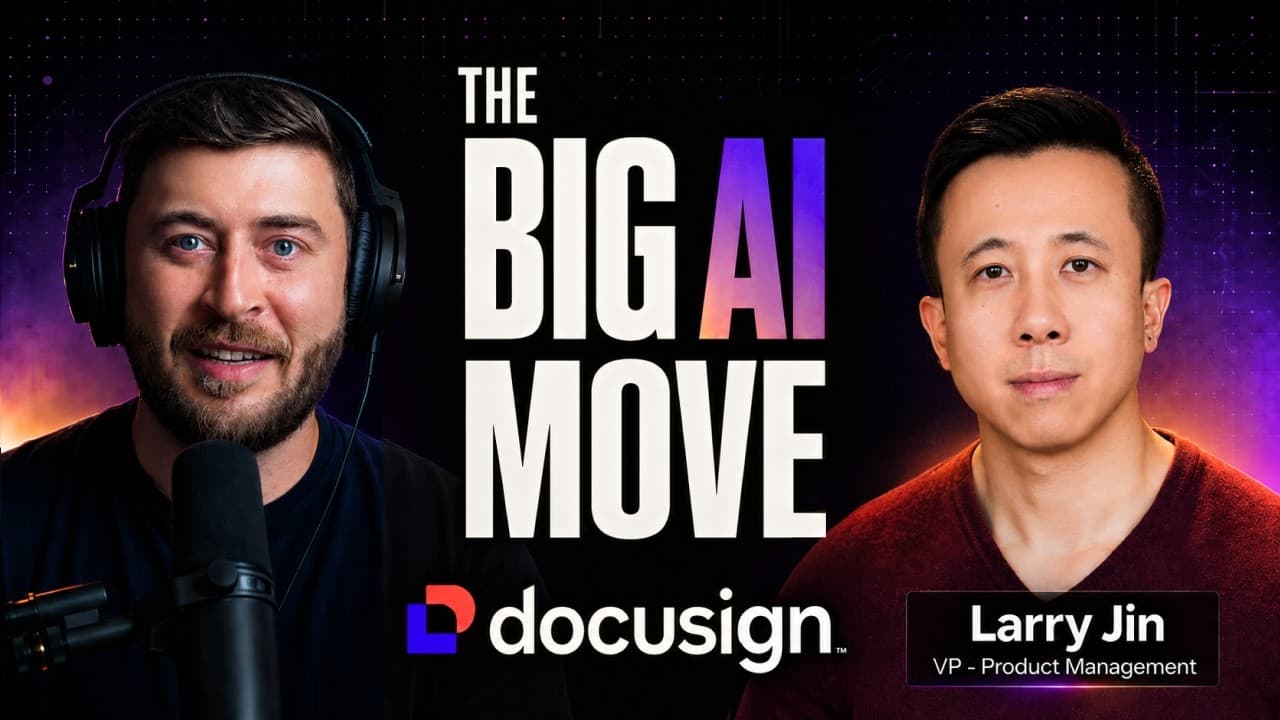
What It Takes to Keep Up With AI - Inside Docusign's Reinvention | Larry Jin, Docusign
with Larry Jin — VP of Product, Docusign
Larry Jin, VP of Product at Docusign, explains how AI tools win adoption inside large companies: a value-effort-risk calculus, contracts as the killer LLM use case, and why agents now solve problems that 12-to-18-month CLM projects could not. He opens Season 2 of The AI Floor.
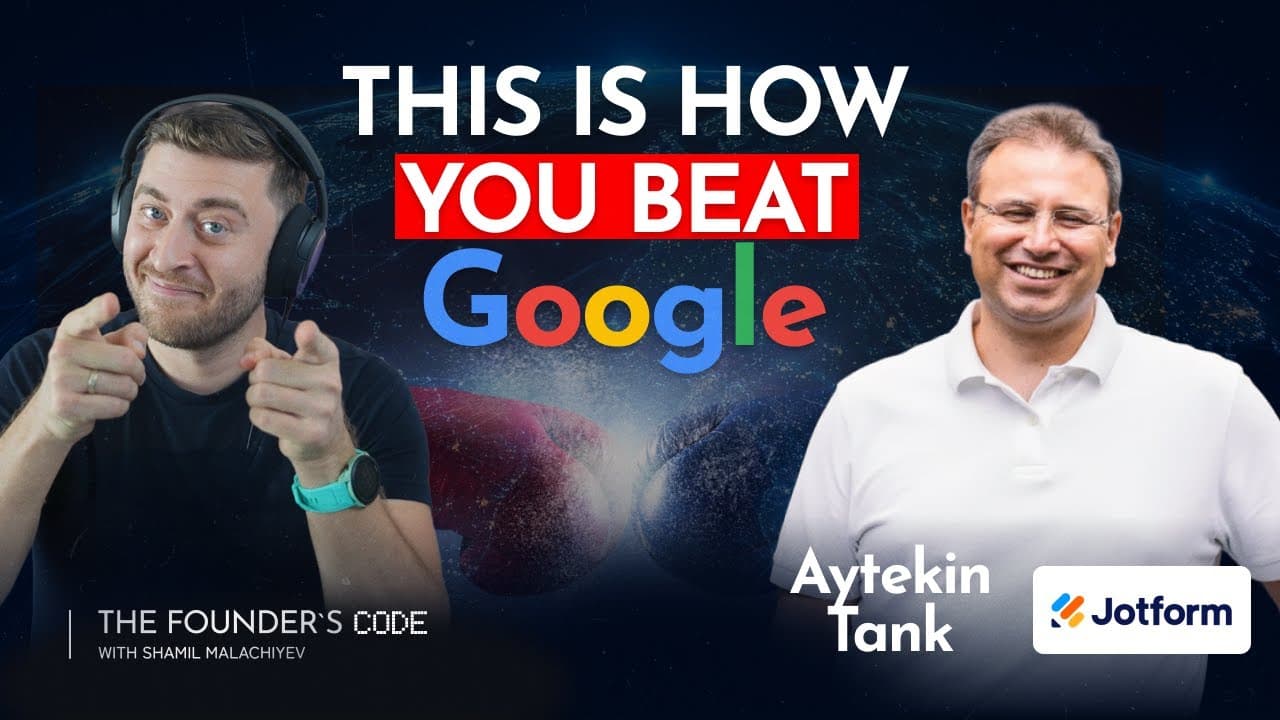
They're lying about what it takes to build a $150M ARR business | Aytekin Tank | Jotform
with Aytekin Tank — Founder & CEO, Jotform
Bootstrapping Jotform to 35 million users took two decades, not the overnight run the highlight reels sell, says founder and CEO Aytekin Tank. He walks through the co-founder split that never healed, surviving a Secret Service domain takedown, competing with Google Forms by delegating everything, and the 50-50 rule he now teaches founders.
The AI Floor
Honest, ground-level conversations with the people actually building AI inside the world's biggest companies — how adoption really happens, why rollouts stall, and what keeping pace takes.

How Top Legal Teams Use AI
with Jasmine Singh — General Counsel, Ironclad
Jasmine Singh, General Counsel at Ironclad, requires every lawyer on her team to use AI and tells them failure is acceptable. She explains what the duty of competence still obliges a lawyer to review, why there is no right legal advice in the abstract, how Ironclad compressed contract intake to redline from days to a minute, and why AI might make practising law less lonely.
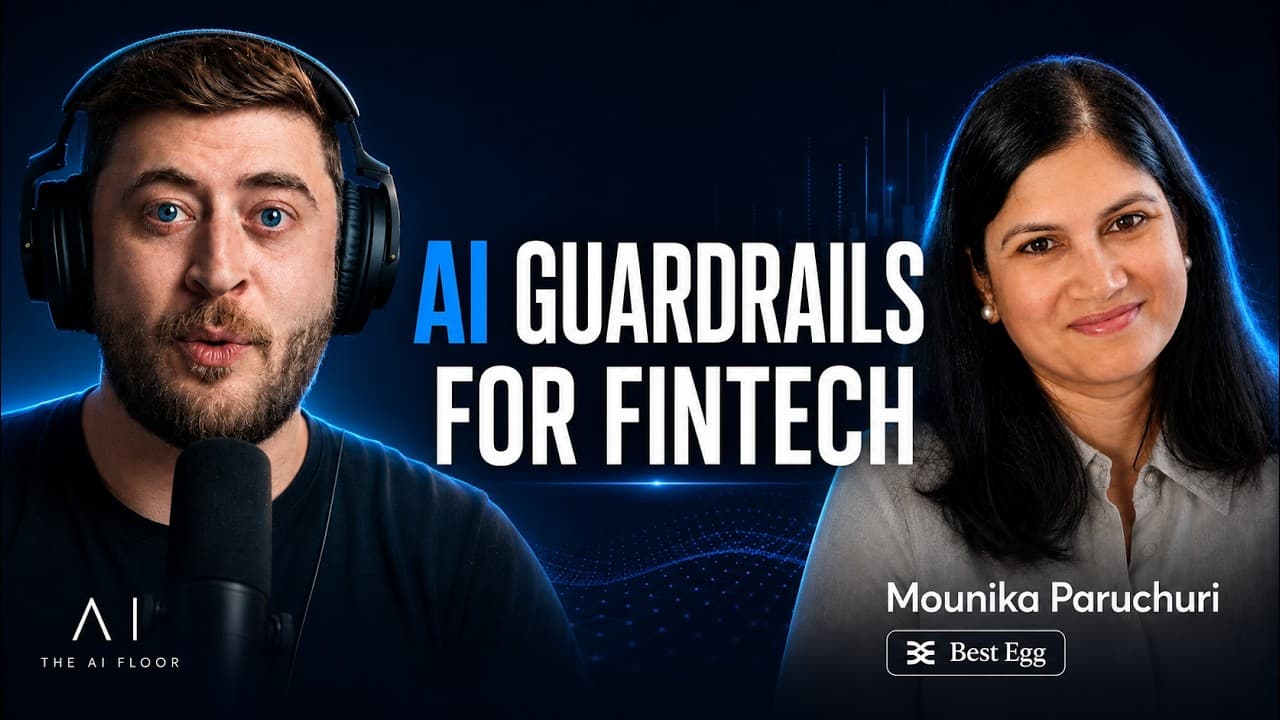
How FinTech Govern AI
with Mounika Paruchuri — Senior Director of AI and Emerging Technology Transformations, Best Egg (now part of Barclays Bank US)
Mounika Paruchuri sets enterprise AI strategy inside a regulated US bank, and she says the model is only 20 percent of any AI launch. The rest is the harness, the drift monitoring and the loops that keep it in check. She explains why guardrails set people free rather than slowing them down, how Databricks cut prototypes from two weeks to two days, and why most AI ROI fails before it starts.
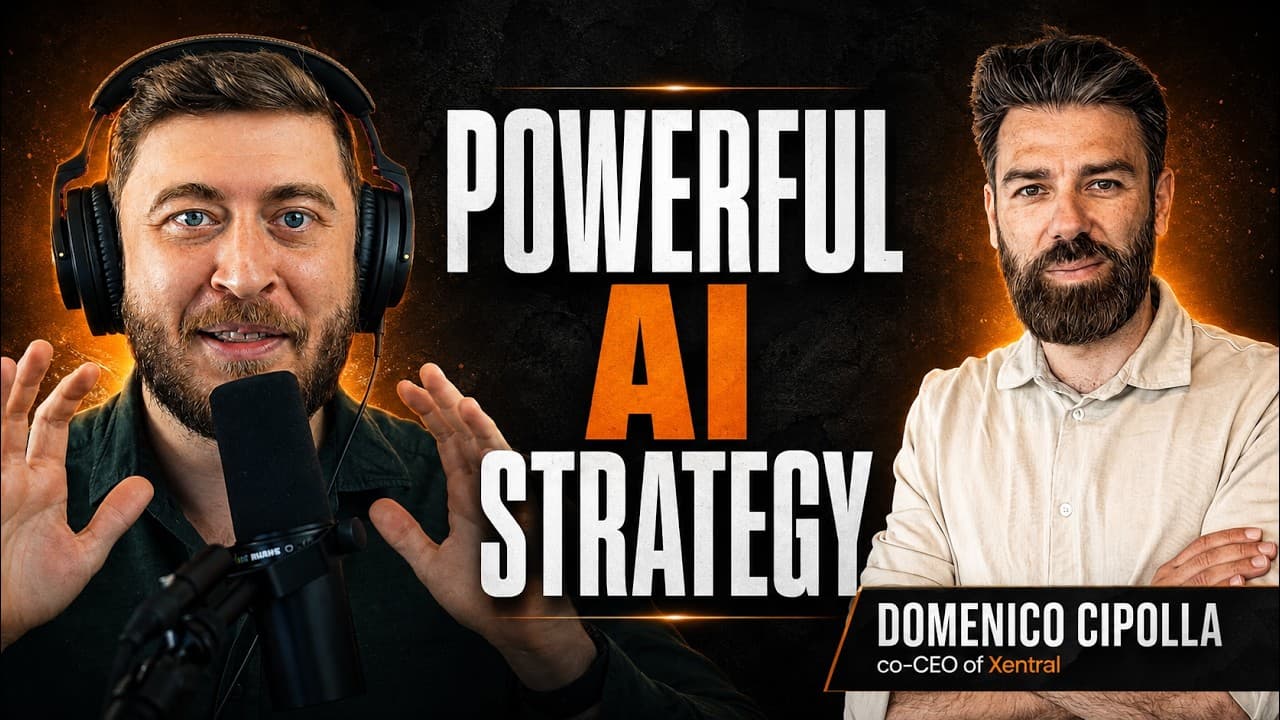
How Huge ERP System CEOs Think About AI
with Domenico Cipolla — Co-CEO, Xentral
Domenico Cipolla, co-CEO of Xentral, says AI is a means, not a value, and that an ERP has to return the same result a thousand times out of a thousand. He explains how his team rebuilt a paid invoice-reconciliation tool in a weekend, why most companies with a grand AI strategy do nothing internally, and which agents Xentral is shipping into an ERP that runs 1,800 businesses.
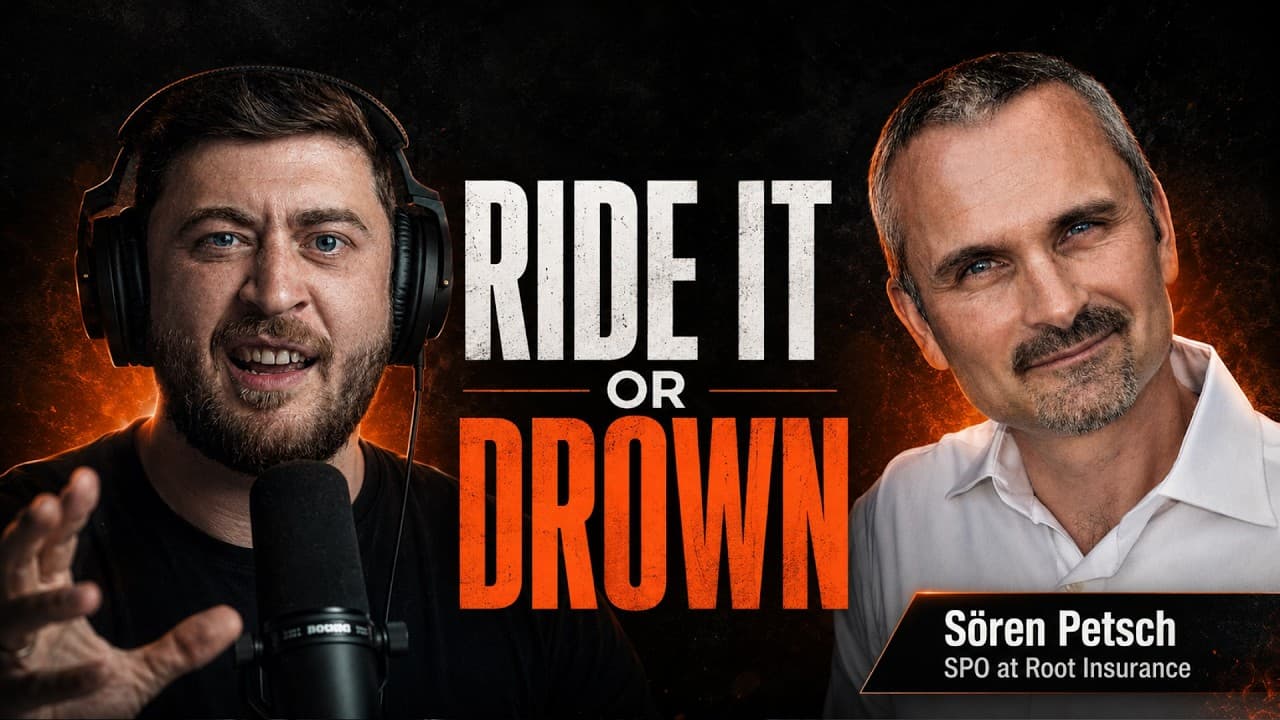
The AI Tsunami Is Here. You're Just Standing There | Sören Petsch, Root Insurance
with Sören Petsch — Senior Director of Procurement, Root Insurance
AI agents are already doing real procurement work, says Sören Petsch, Senior Director of Procurement at Root Insurance — 42,000+ approvals and a mid-nine-figure spend cleared since a June go-live. He explains why orchestration comes before AI, why automation is about tasks rather than jobs, and what a procurement leader should do on Monday.
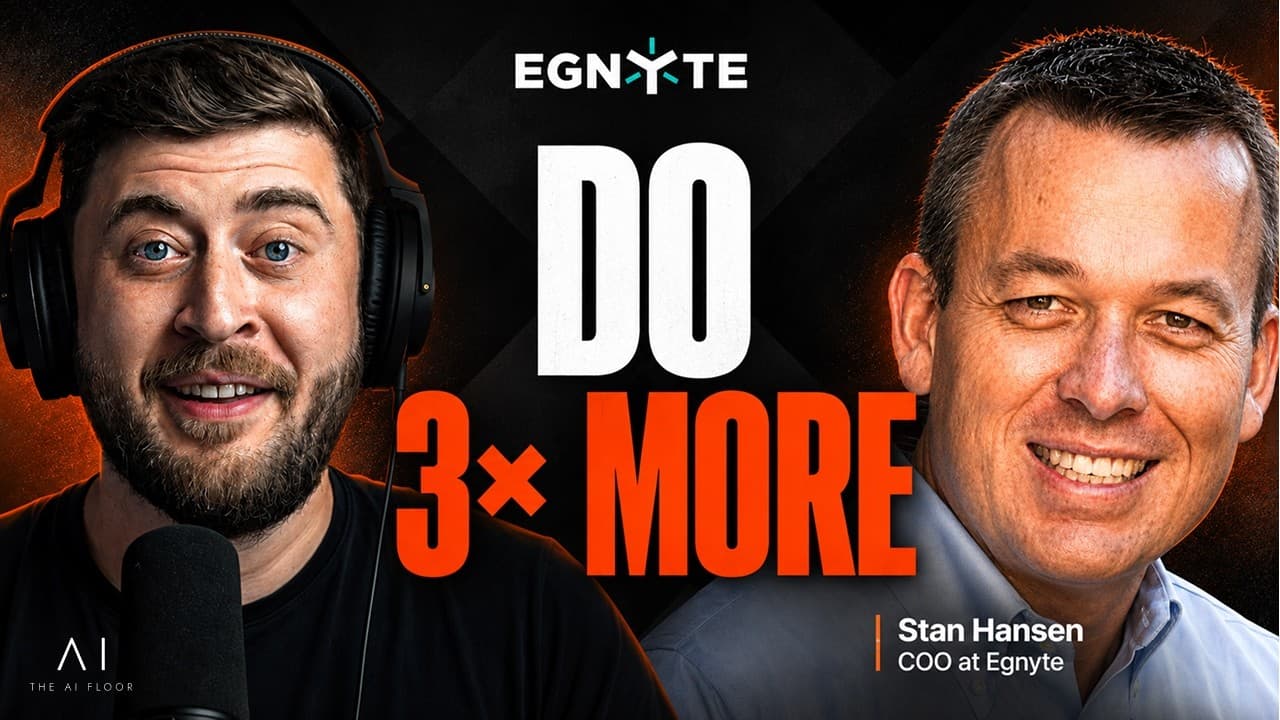
The Only Way CEOs/COOs Get To Survive The AI Wave | Stan Hansen, Egnyte
with Stan Hansen — COO, Egnyte
Stan Hansen, COO of Egnyte, explains how a data company serving 23,000 customers made AI over a third of its new business: under-promise and over-deliver, quick wins that earn board confidence, data readiness as step one, and a bring-your-own-model bet against single-ecosystem lock-in.
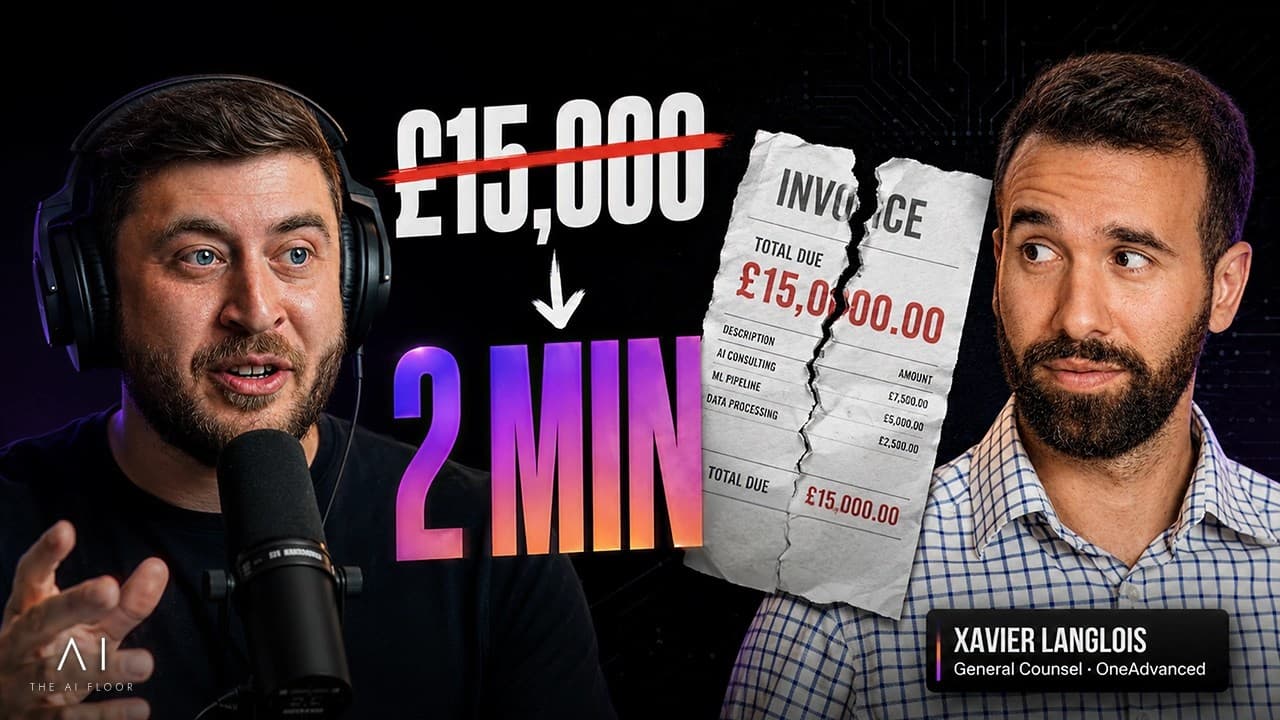
A Law Firm Billed Him £15,000. His AI Did It in 2 Minutes.
with Xavier — General Counsel, OneAdvanced
A law firm billed Xavier, General Counsel at OneAdvanced, £15,000 for half a page of advice; his AI tool matched the answer in about two minutes, and the bill settled at £2,000. He explains how his 30-person legal team built 15-plus agents in 10 days, and which legal work AI should never touch.
What It Takes to Keep Up With AI - Inside Docusign's Reinvention | Larry Jin, Docusign
with Larry Jin — VP of Product, Docusign
Larry Jin, VP of Product at Docusign, explains how AI tools win adoption inside large companies: a value-effort-risk calculus, contracts as the killer LLM use case, and why agents now solve problems that 12-to-18-month CLM projects could not. He opens Season 2 of The AI Floor.
The Founder's Code
The founders behind iconic software companies — DocuSign, Jive, Jotform and more — on what building really takes: the risk, the cost, and the quiet decisions behind billion-dollar outcomes.
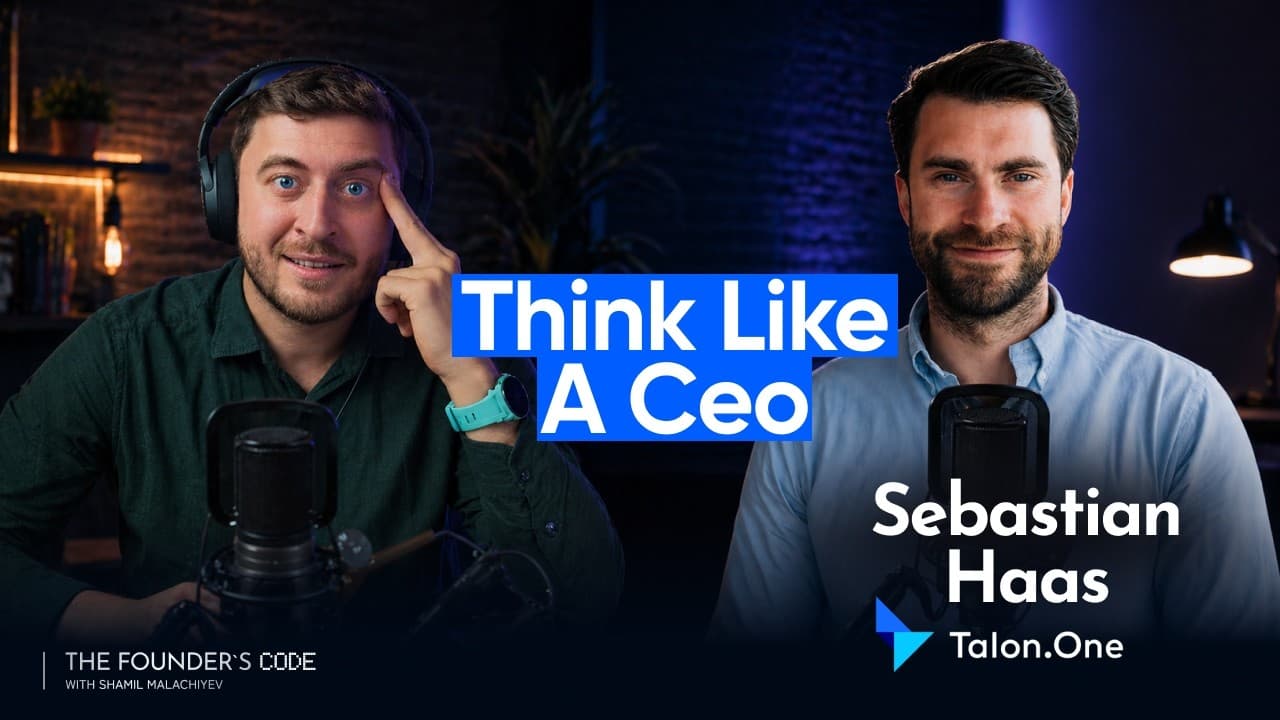
The Mental Filter Every Founder Needs in 2026 | Sebastian Haas - Talon.One
with Sebastian Haas — Co-founder & CEO, Talon.One
Sebastian Haas, co-founder and CEO of Talon.One, explains the filter that let him scale a loyalty platform to 300 people across 55 nationalities while ignoring most AI hype: adopt only what creates customer value. He also covers the "no silos" principle, remote culture, and why building for an exit corrupts the product.
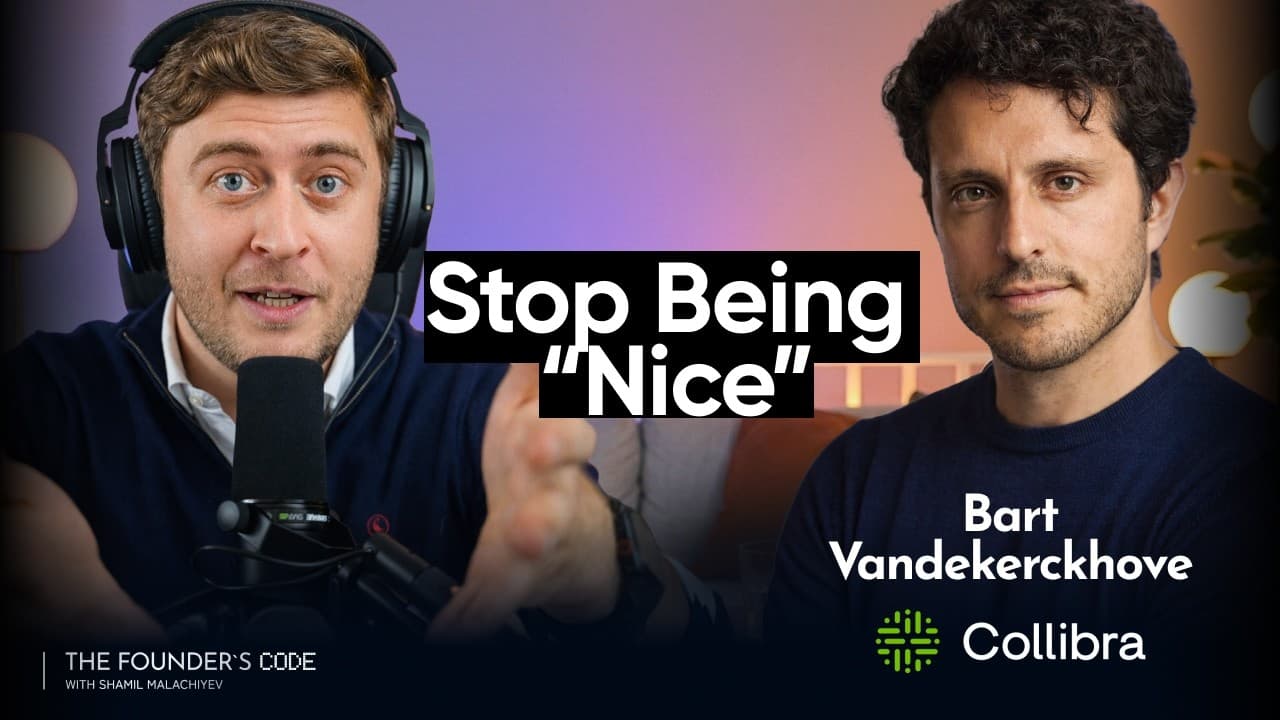
The Perfect Exit, Founder Stress & Why "Nice Guys" Fail | Bart Vandekerckhove - Collibra
with Bart Vandekerckhove — Co-founder & CEO, Raito
Bart Vandekerckhove quit Collibra during COVID with a mortgage, a wife and two kids, spent almost a year selling a data-access product that didn't exist, then sold Raito back to Collibra four years later. He explains political capital in enterprise sales, kind versus nice leadership, and the Plan B that saved his exit.
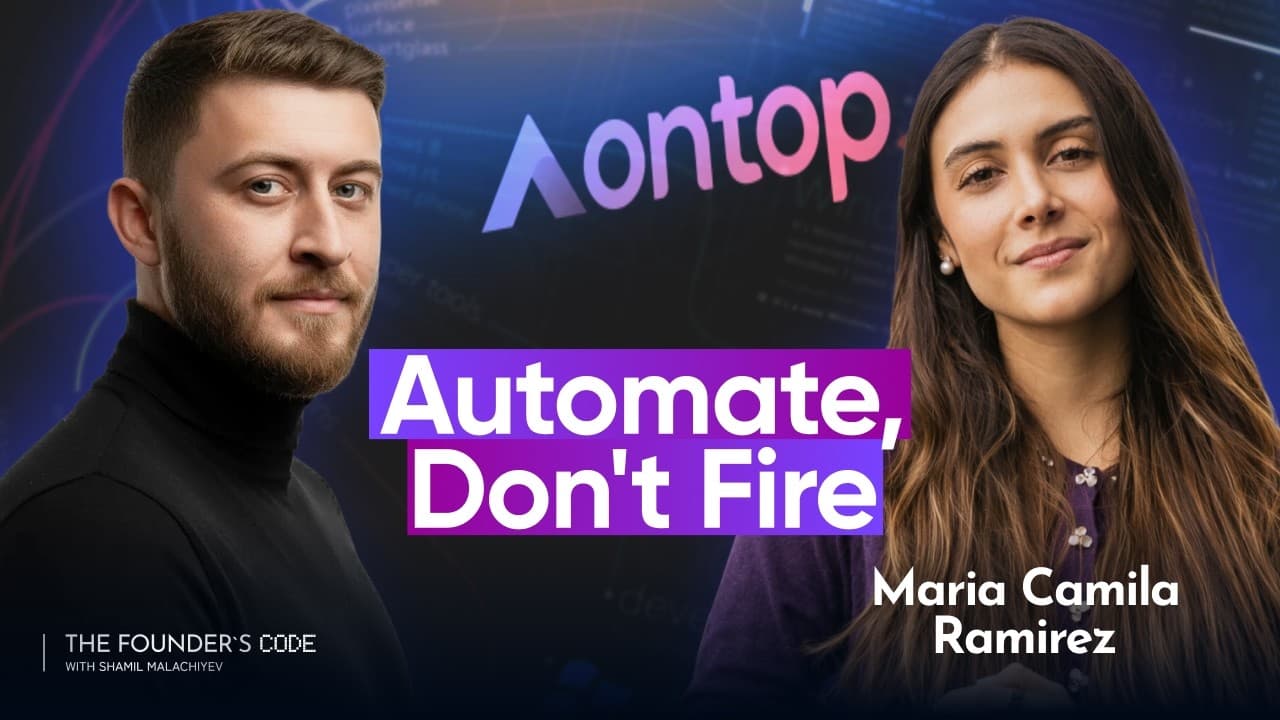
How OnTop made every employee an AI operator — without a single layoff | Maria Camila Ramirez, COO
with Maria Camila Ramirez — COO, OnTop
Maria Camila Ramirez, COO of OnTop, explains how the YC-backed payroll platform made every employee an AI operator without a single layoff: an AI champion in each team, agents built with analysts rather than behind their backs, and training run by her ops team. She also covers the COO role, stress, and staying instead of Stanford.
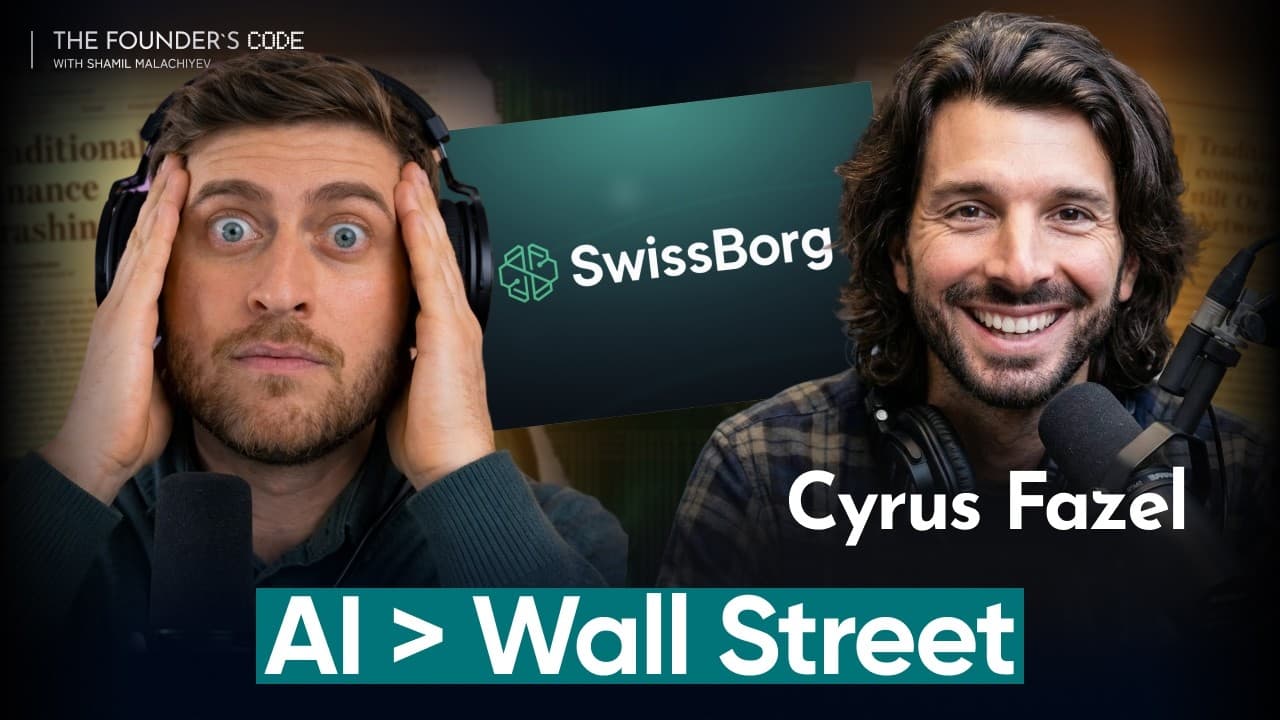
Why I Built an AI Wealth Advisor in 2016 (And What's Next) | Cyrus Fazel of SwissBorg
with Cyrus Fazel — Founder & CEO, SwissBorg
Cyrus Fazel, founder and CEO of SwissBorg, raised $52 million from 24,000 community members, watched it shrink to about $10 million in six months, and kept building through every cycle since. He explains why solo founders fail, why he lived with his co-founder for years after the ICO, and the AI Cyborg advisor SwissBorg is building now.
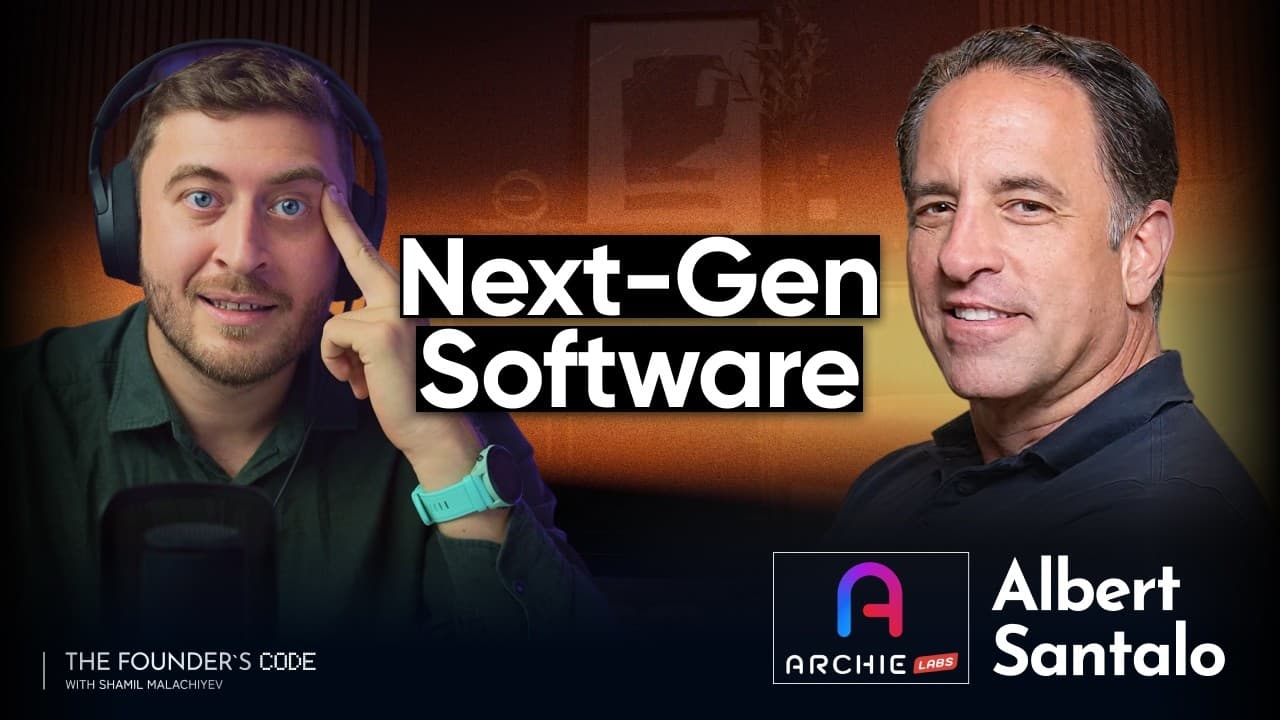
Building Better Software: The Role of the AI Architect | Albert Santalo | Archie Lab
with Albert Santalo — Founder & CEO, Archie Labs
Albert Santalo, founder and CEO of Archie Labs, says bolting AI onto old coding processes is like putting a battery in a combustion engine. He explains why low-code is dead, why agentic AI could out-disrupt the industrial revolution, how to spot a bad VC, and the faith that has carried him through almost four decades in technology.
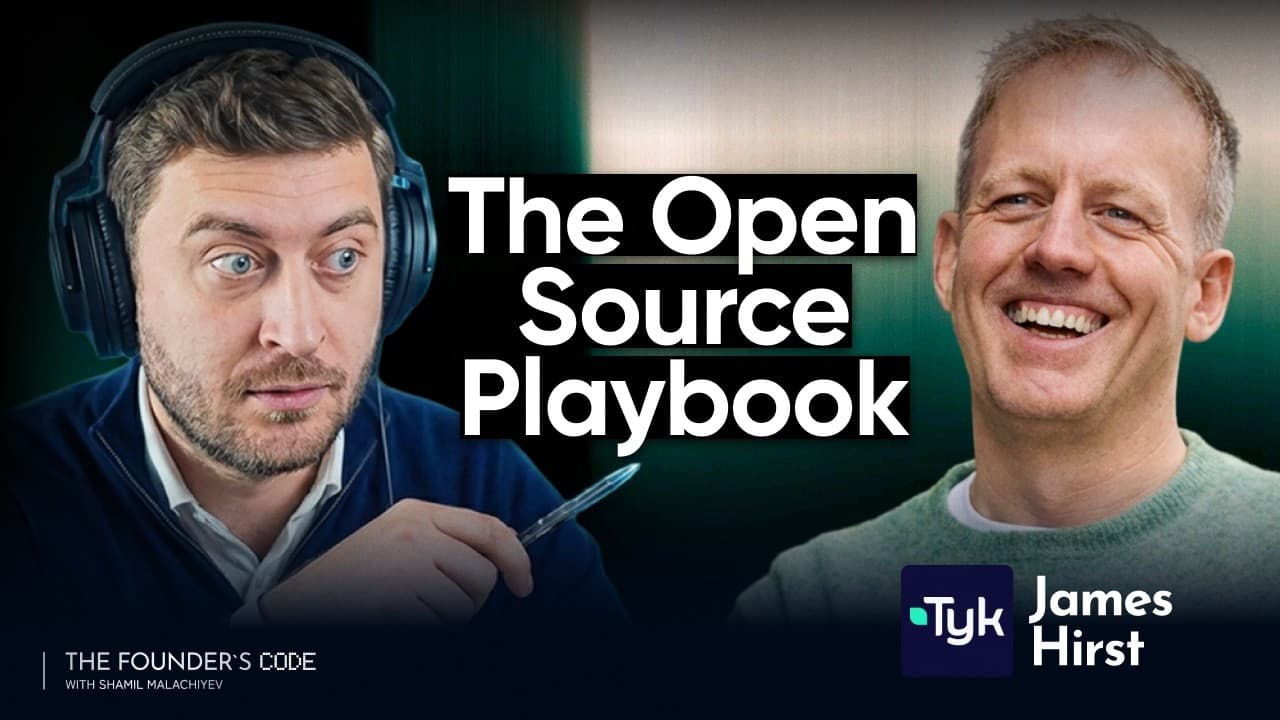
He Dropped Out and Didn't Study Tech. Now He Runs a Global API Empire | James Hirst | Tyk.io
with James Hirst — Co-founder & COO, Tyk
James Hirst, co-founder and COO of Tyk, dropped out of university, never studied tech, and now runs API infrastructure behind banks, ATMs and connected cars with 120 people across 32 countries. He explains why giving the core product away free wins enterprise customers, and why LLMs make APIs matter more than ever.
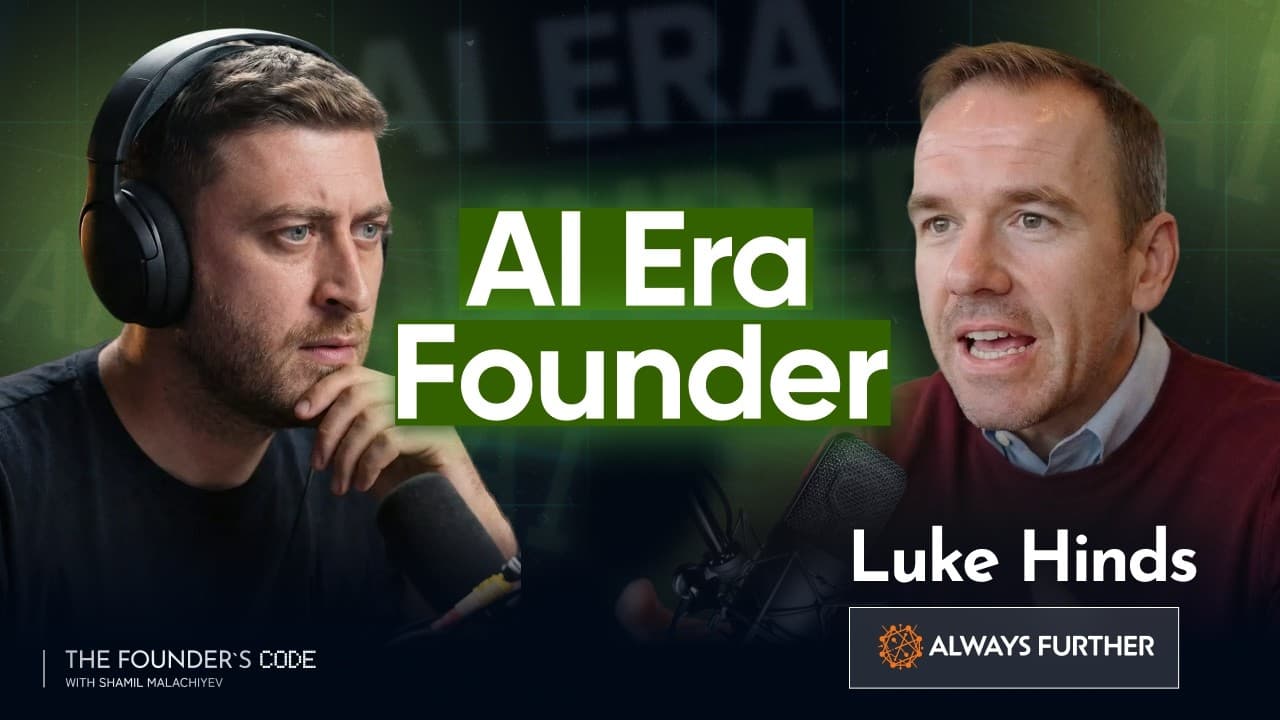
Reevaluating the AI Narrative: Moving From Hype to Utility | Luke Hinds | Always Further, Inc.
with Luke Hinds — CEO, Always Further, Inc.
Luke Hinds, sigstore creator and CEO of Always Further, Inc., argues the AI industry is moving too fast: nobody agrees what AGI means, fully autonomous agents will always need a human in the loop, and AI coding tools risk stripping junior engineers of the struggle that builds intuition. Treat AI as a tool, he says, and keep exercising the muscle.
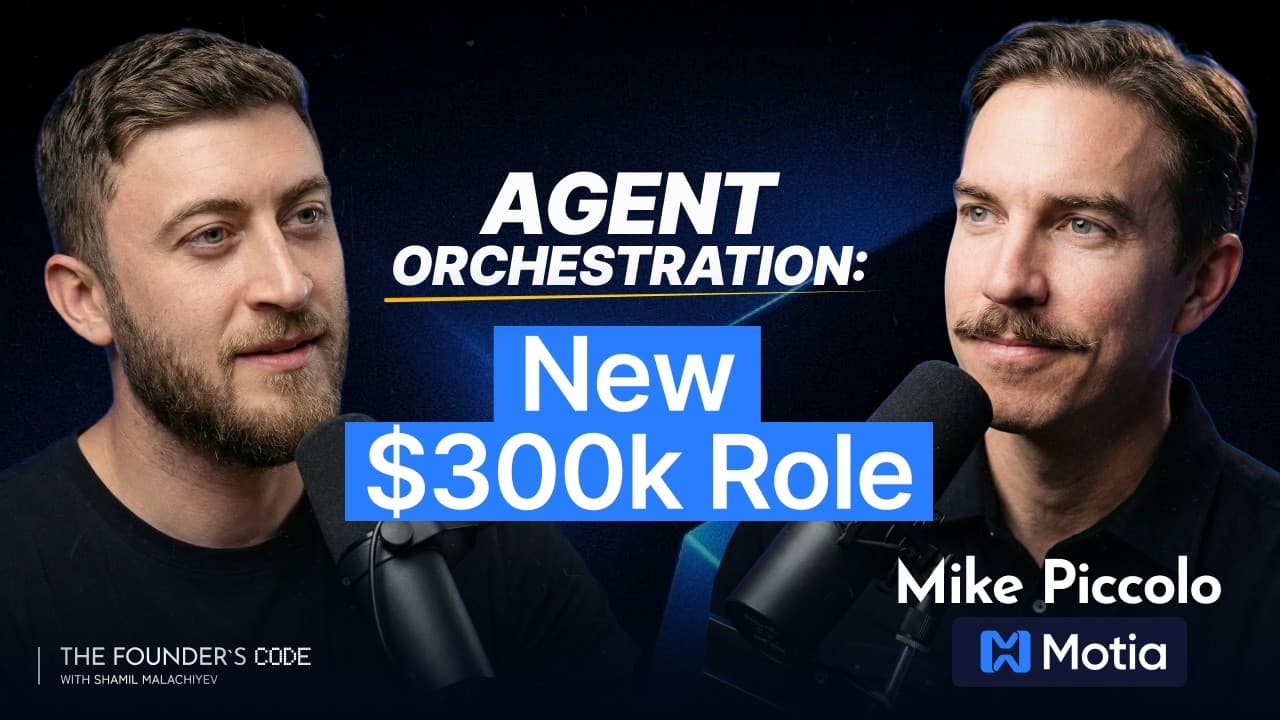
Agent Orchestration: The New "Full Stack" in 2026 | Mike Piccolo founder of Motia Dev
with Mike Piccolo — Founder & CEO, Motia Dev
Mike Piccolo, founder and CEO of Motia Dev, argues the next software paradigm shift lands in the backend: AI moves work that lived between a human and a user interface into asynchronous automation, "AI engineer" means twenty different things, and production agents are harder than the demo. His preparation for it: construction sites and the 2008 job market.
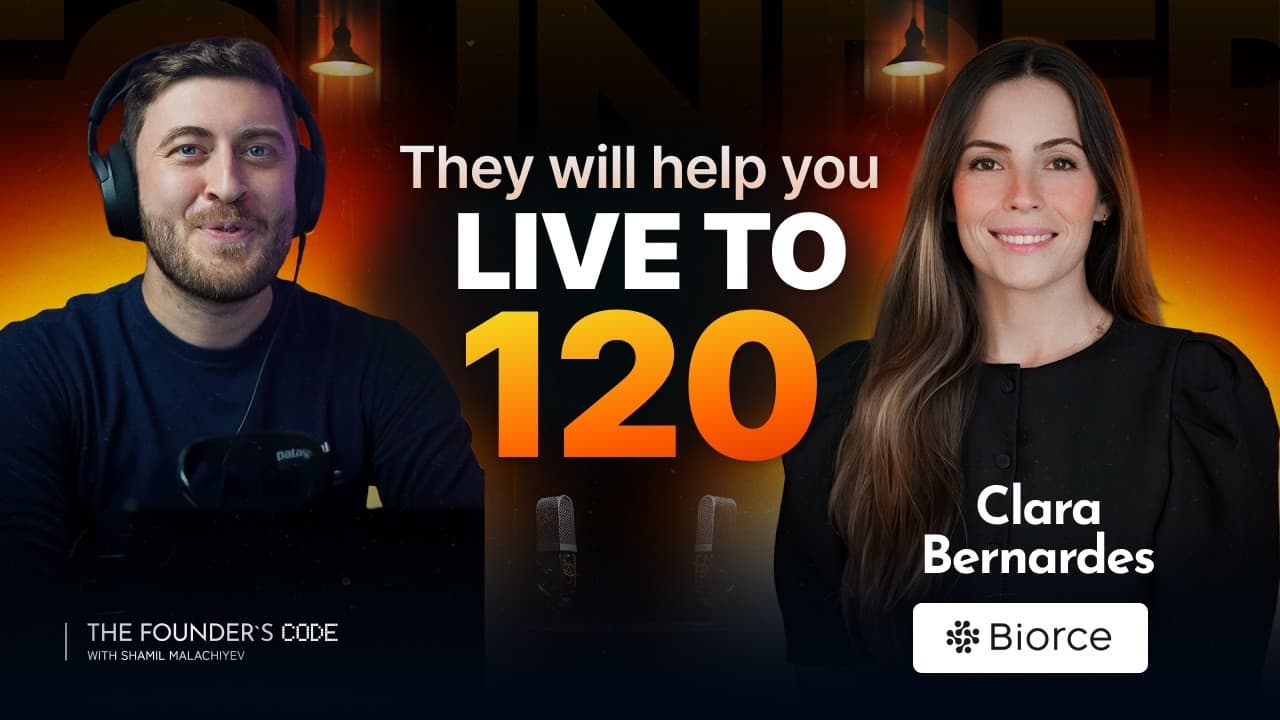
The Co-Founder Test: Don’t Sign Until You Ask This One Question | Clara Bernardes | Biorce
with Clara Bernardes — Co-Founder & Chief Scientific Officer, Biorce
Clara Bernardes, co-founder and Chief Scientific Officer of Biorce, wants to cut the 11 years it takes to bring a drug to market down to five or six. The mission began when her husband's father got three months to live. She talks co-founding with a spouse, firing people you love, and the investor who dropped out on signing day.
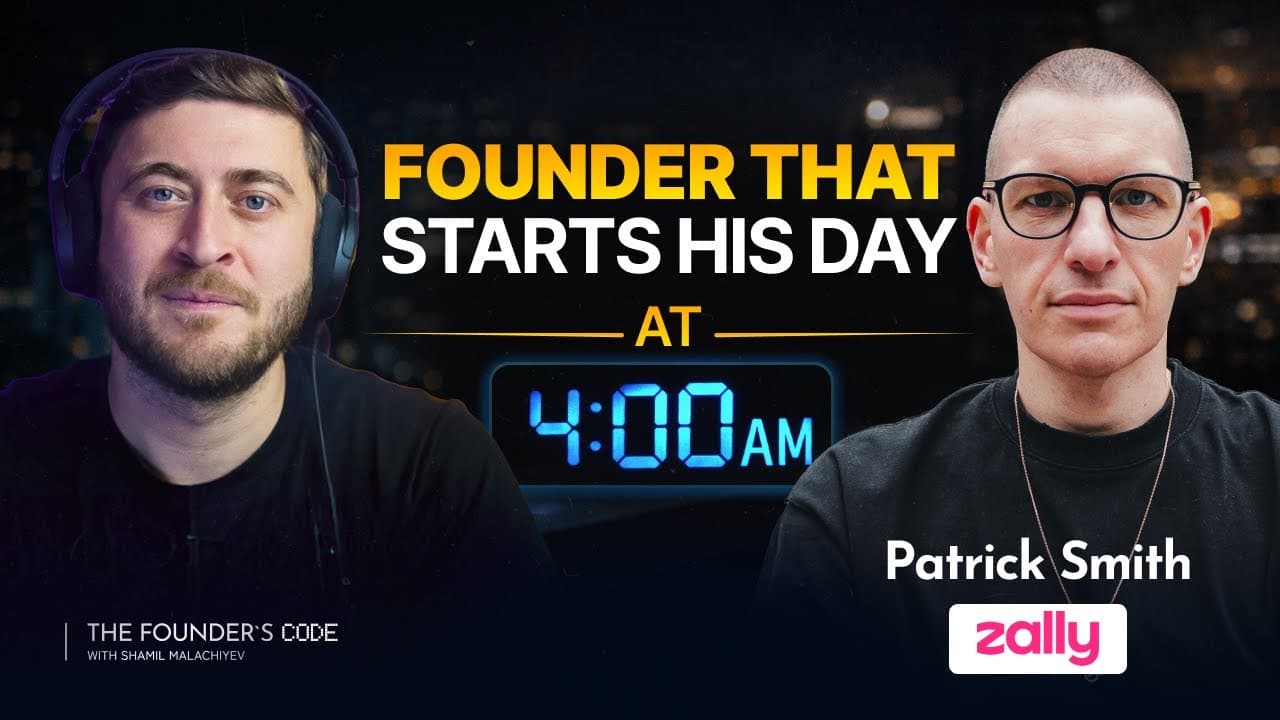
What It Really Takes To Succeed In 2026 | Patrick Smith - Founder of Zally
with Patrick Smith — Founder & CEO, Zally
Patrick Smith failed 11 ventures before 25, exited a wedding-DJ agency at 18, and now runs Zally, an applied AI research lab turning how you use your devices into "digital body language" for continuous authentication. He explains why he trains like an athlete - 3:45am starts, carnivore diet - and why he celebrates every investor rejection.
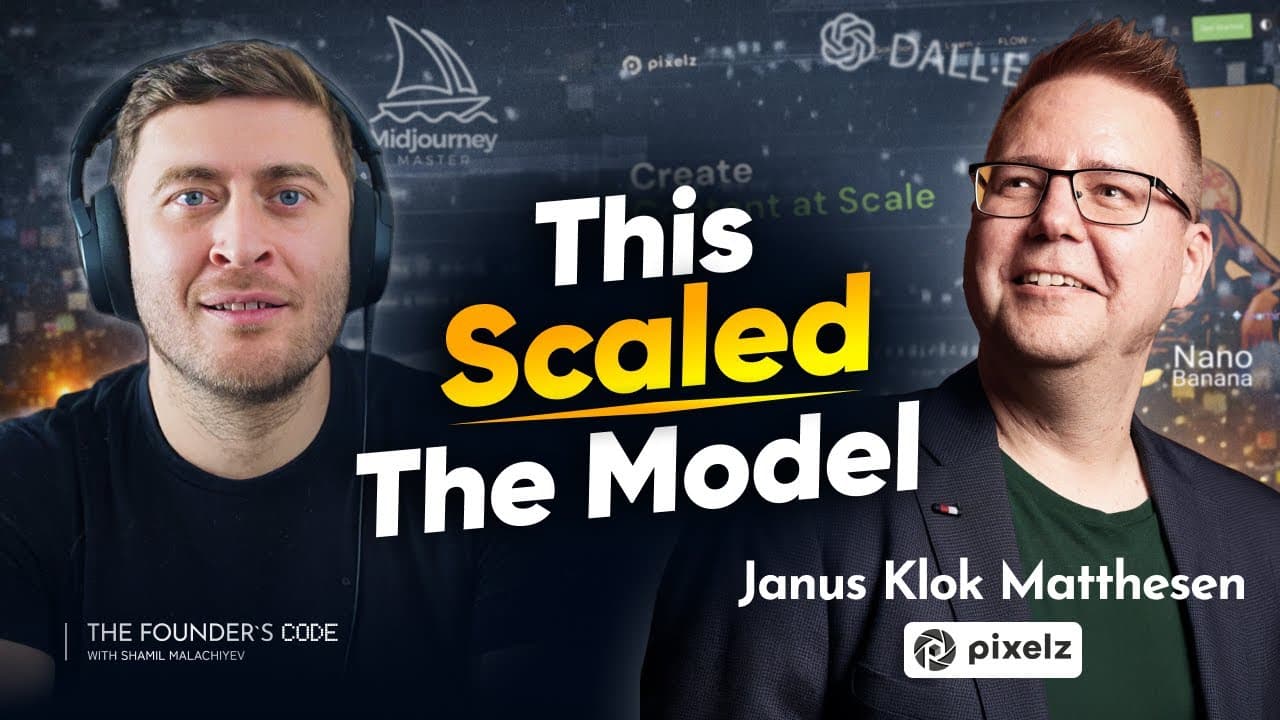
The Business AI Was Supposed to Kill | Janus Klok Matthesen | Pixelz
with Janus Klok Matthesen — Co-founder & CTO, Pixelz
Janus Klok Matthesen, co-founder and CTO of Pixelz, runs a retouching business many expected AI to wipe out first. Instead, Pixelz automated 60% of its manual work, kept humans on the rest, and now treats the hybrid as the product. He covers radical openness, firing without burning bridges, and why AI campaigns can cost more than photoshoots.
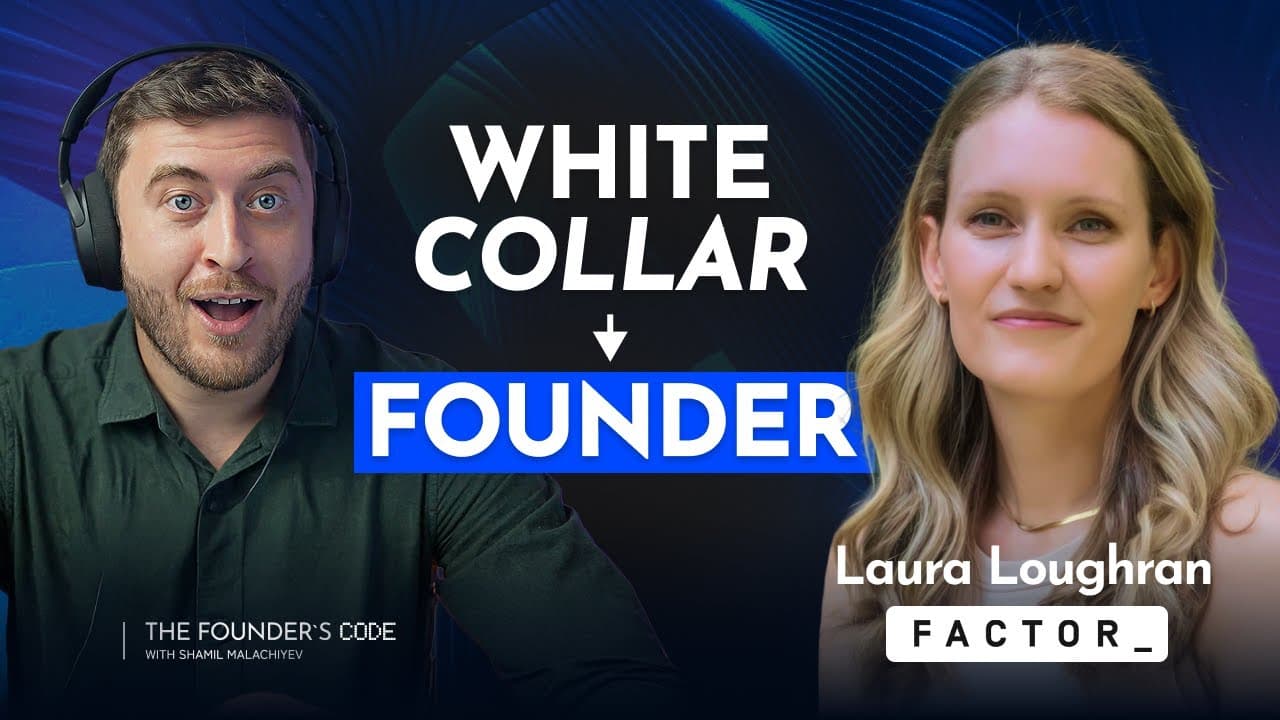
From IBM to Founder: The Skills That Actually Matter | Laura Loughran | Factor Form
with Laura Loughran — Founder & CEO, Factor Form
Laura Loughran joined IBM at 21 with, in her words, no marketable skills, failed at consulting, and got rerouted into the company's first entry-level product program. Now founder and CEO of supplements brand Factor Form, she explains why supplements are won on story, why "maybe means no" in hiring, and why everybody already knows the team's weakest link.
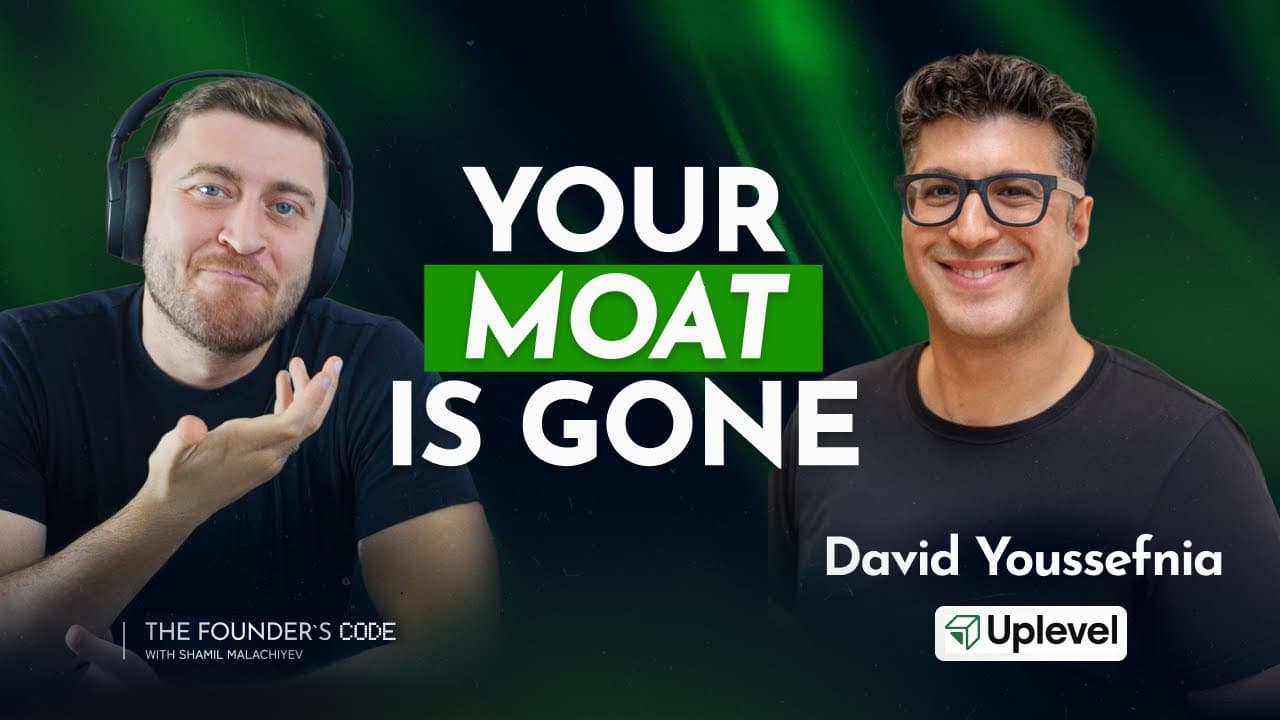
How AI Exposes Bad Founders (and Makes Good Ones Unstoppable) | David Youssefnia | Uplevel
with David Youssefnia — Co-founder, Uplevel
David Youssefnia, organizational psychologist and Uplevel co-founder, puts founder life at roughly 15% good days and 85% hard ones - and says the 15 has to outweigh. He explains why co-founders who share too many social circles fail more often, why AI adoption is a change-management problem, and how startup advisory boards actually work.
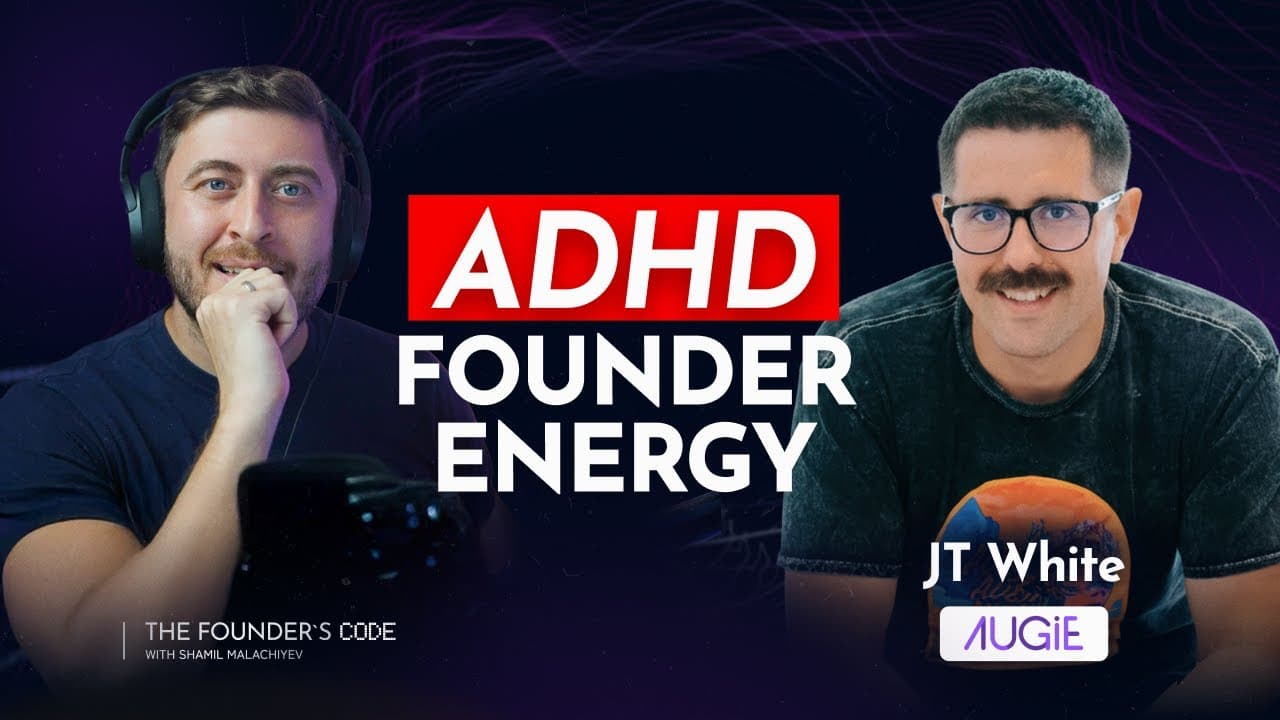
The Dark Side of Ambition: What a Racing Mind Feels Like | JT White | Augie Studio
with JT White — Co-founder & Chief Product Officer, Augie Studio
JT White, co-founder and chief product officer of Augie Studio, says his brain never turns off: he sold his first company at 16, carries ADHD-style markers, and meditates to close the "tabs" in his head. He explains why AI widens who gets to build product, and why a startup should be a community, not a family.
They're lying about what it takes to build a $150M ARR business | Aytekin Tank | Jotform
with Aytekin Tank — Founder & CEO, Jotform
Bootstrapping Jotform to 35 million users took two decades, not the overnight run the highlight reels sell, says founder and CEO Aytekin Tank. He walks through the co-founder split that never healed, surviving a Secret Service domain takedown, competing with Google Forms by delegating everything, and the 50-50 rule he now teaches founders.
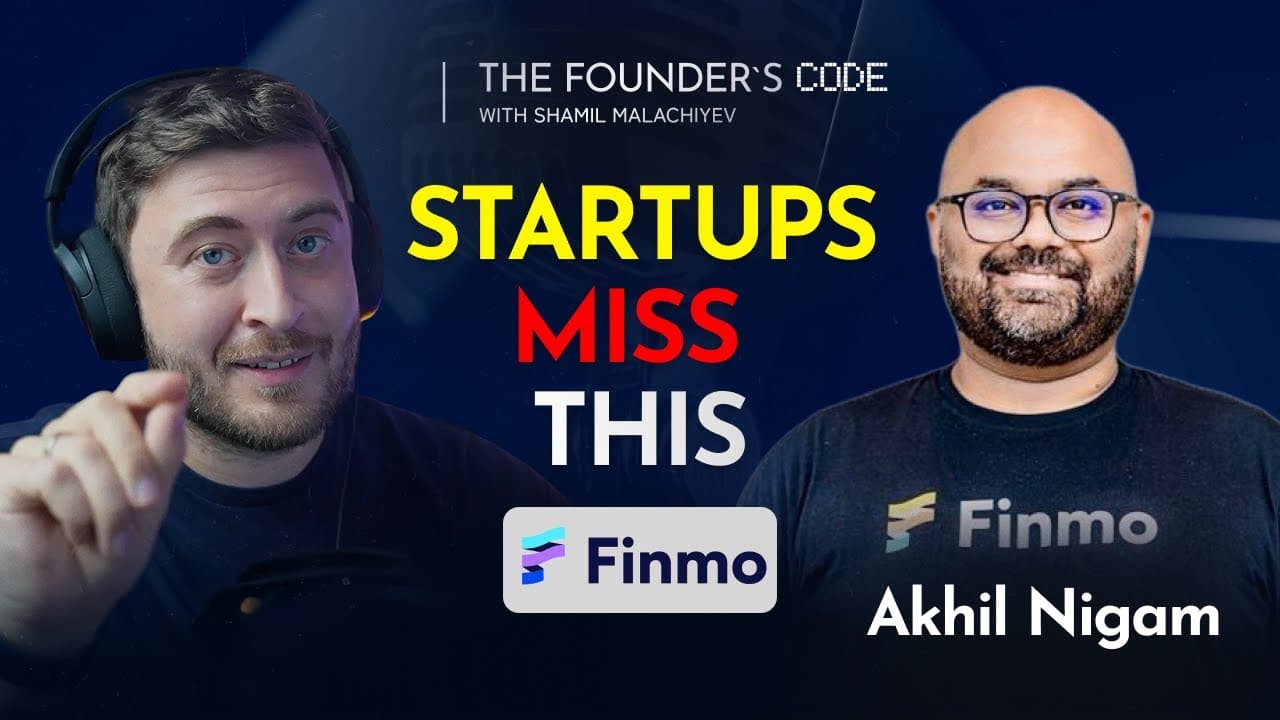
What 99% of Startups Get Wrong About Trust | Akhil Nigam | Finmo
with Akhil Nigam — Co-founder & Chief Product Officer, Finmo
Akhil Nigam, co-founder and chief product officer of Finmo, explains why the treasury platform runs with five co-founders, how one failed FX hedge that wiped out days of a client's cash runway reset his view of responsibility, and how a risk-based policy earns trust for Mo, Finmo's AI treasury advisor.
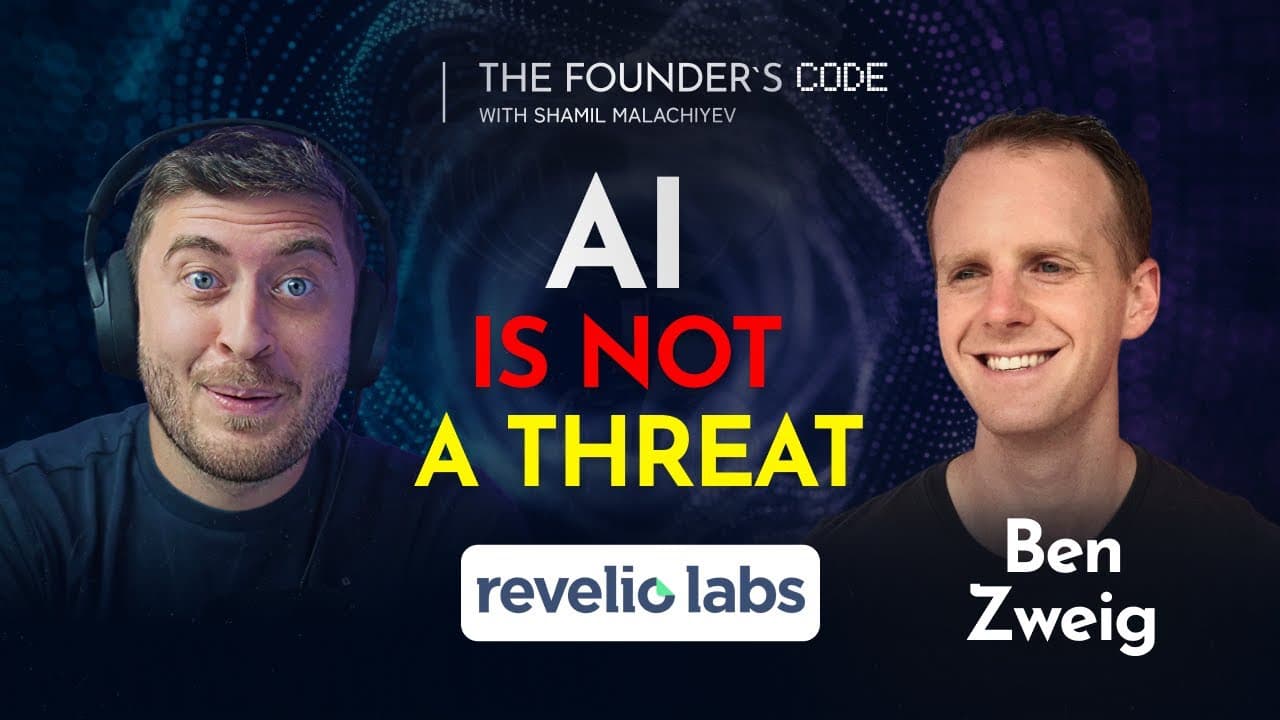
AI Won’t Kill Jobs - Here Is What You Need To Know | Ben Zweig | Revelio Labs
with Ben Zweig — Founder & CEO, Revelio Labs
Ben Zweig, CEO of Revelio Labs, argues AI rarely automates whole occupations: jobs are bundles of tasks that reconfigure, and the data to track that barely exists. He explains why his workforce dataset dwarfs Bloomberg's 200,000 series, what IBM's 400,000 people taught him about scale, and why labor markets are finally becoming scientific.

They Are Building Refueling Stations… In Space?! Ashi Dissanayake | Spaceium
with Ashi Dissanayake — Co-founder & CEO, Spaceium
Ashi Dissanayake, co-founder and CEO of Spaceium, is building refueling stations in space: fixed depots holding 10 to 30 metric tons of fuel that spacecraft dock with, refill and move on. She explains why orbital transfer vehicles are the first customers, how four YC applications ended in an acceptance, and why obsession beats work-life balance.
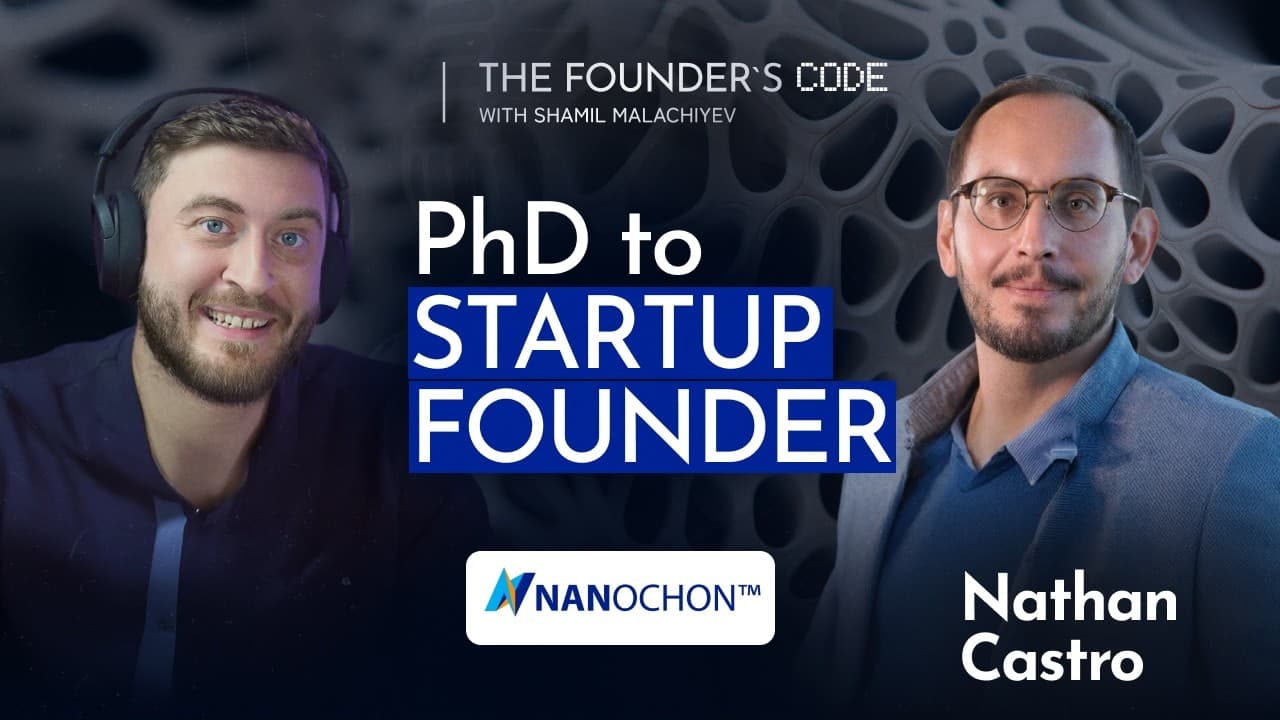
Nathan Castro: What Loss Taught Me About Building Startups
with Nathan Castro — Co-founder & CTO, Nanochon
Nathan Castro co-founded Nanochon to rebuild damaged cartilage in patients too young for a joint replacement, and carried heavy personal loss through a decade of it. He explains why entrepreneurship is a social-skills exercise, why he trusts only honest data, and how "ask forgiveness, not permission" moves science forward.
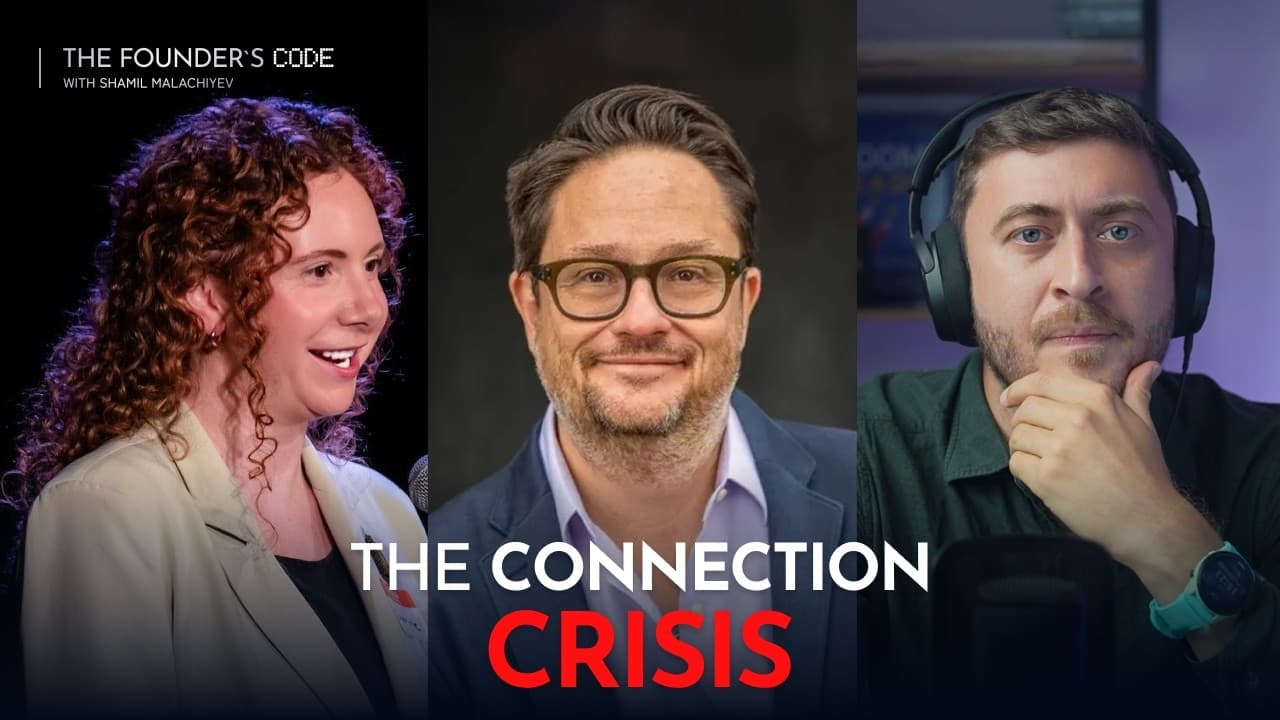
Fixing US Loneliness Crisis - Is It Too Late Now? Aaron Hurst & Charlotte Massey | US Chamber of Connection
with Aaron Hurst & Charlotte Massey — Co-founders, US Chamber of Connection
Aaron Hurst and Charlotte Massey run the US Chamber of Connection, treating loneliness as a solvable design problem. They explain why friendship takes a sales-funnel level of effort, how technology and AI companionship erode real ties, and why they build community on a bootstrap budget with 150 volunteers in Seattle.
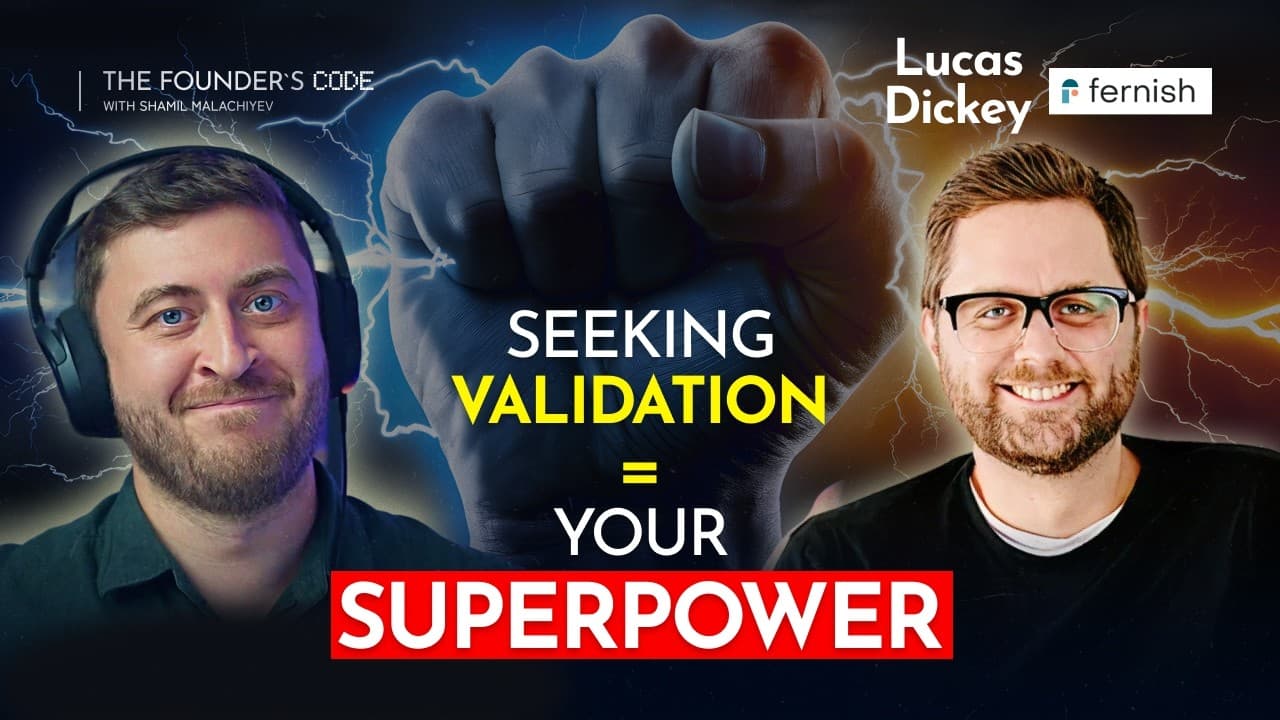
Seeking Validation Is Your Greatest Superpower | Lucas Dickey | Fernish
with Lucas Dickey — Co-founder, Fernish
Lucas Dickey co-founded Fernish, launched an early Amazon media product, and now builds Prompt Yield. He explains how a military-brat childhood built his adaptability, why validation drives founders, and why he thrives at zero-to-one and loses interest the moment a company hits scale.
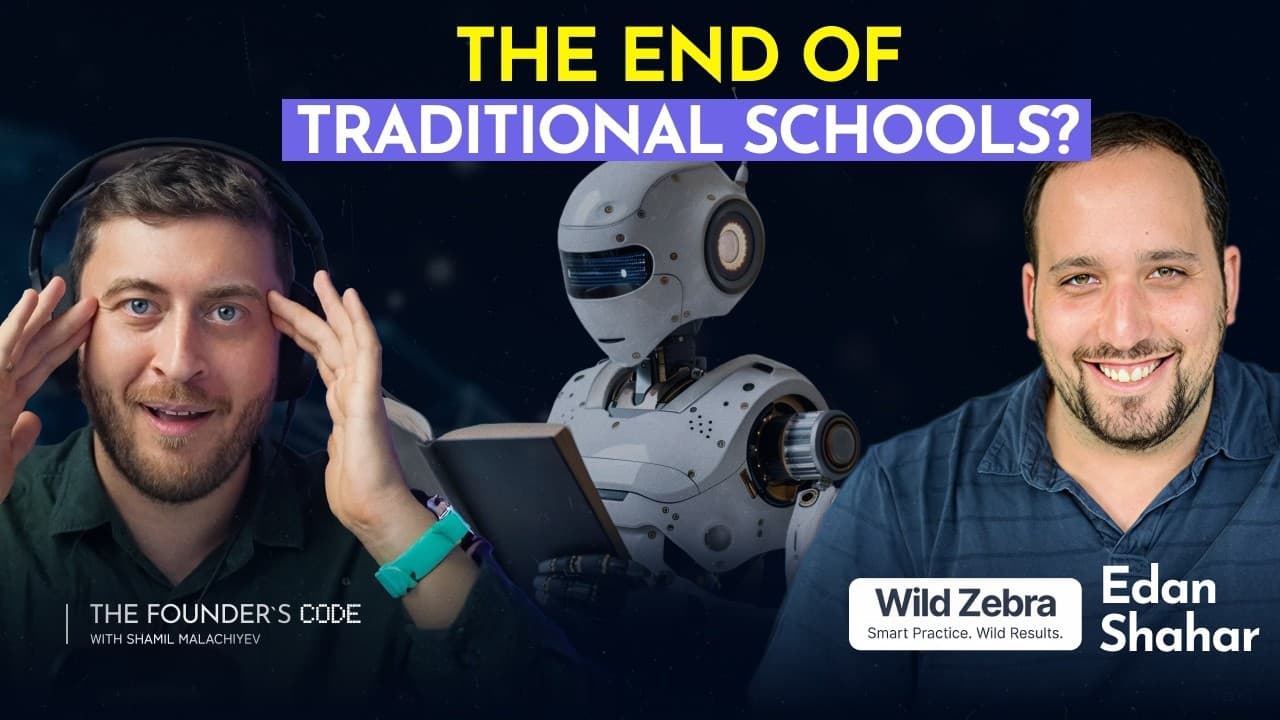
From Classrooms to AI Tutors: The Next Revolution | Edan Shahar | Wild Zebra
with Edan Shahar — CEO & Founder, Wild Zebra
Edan Shahar is building Wild Zebra, an AI learning partner already used by 6,000 students. He explains his vision of a tutor that stays with you for life, why teachers stay in the loop, why building gets easier to succeed but never easier emotionally, and why he chooses urgency over patience.

She Turned "Art Isn't Serious" Into a $6M Startup | Kendall Warson - Cohart
with Kendall Warson — CEO and Co-founder, Cohart
Kendall Warson, CEO and co-founder of Cohart, raised $6M for an art marketplace after pitching 400-500 investors with no warm network. She explains why selling art is broken (only 14% of artists have galleries), how founder therapy saved her co-founder relationship, and why the NFT crash proved collecting is social.
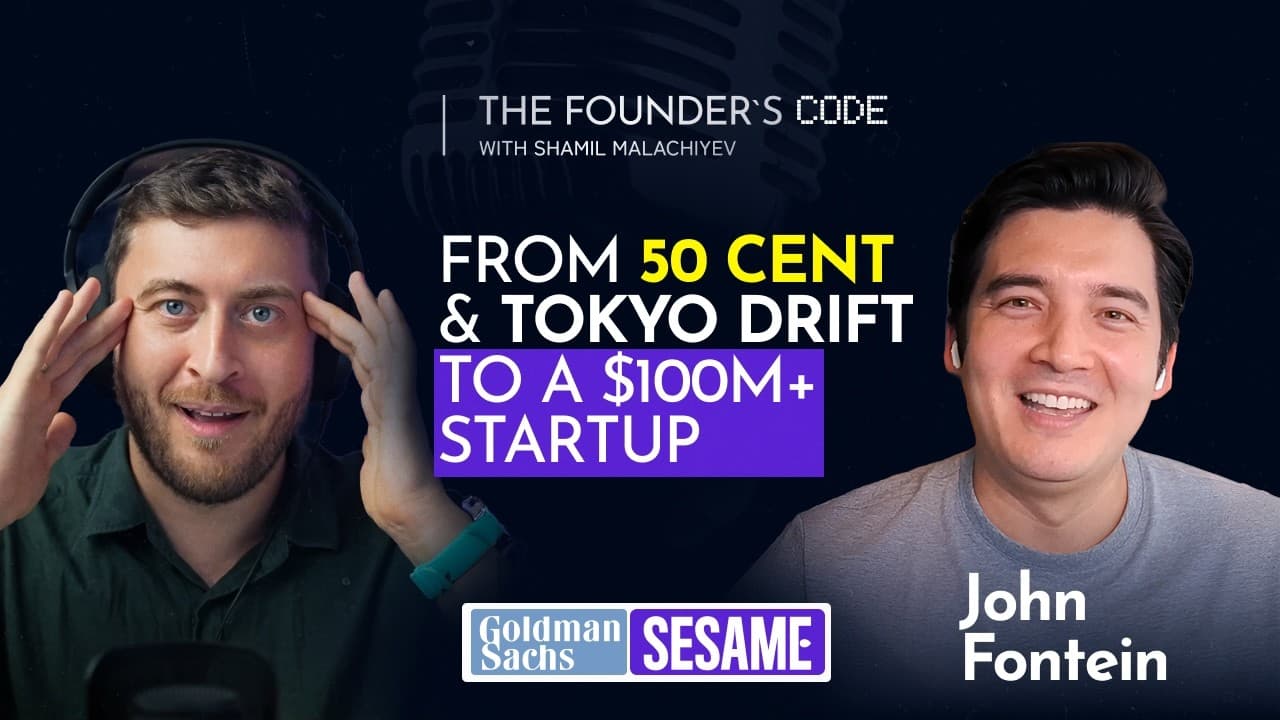
Yes, He Made That Tokyo Drift Track - Then Built a $100M Healthcare Startup | John Fontein
with John Fontein — Co-founder, Sesame
John Fontein, co-founder of Sesame, was signed by Interscope at Princeton, dropped, then ran a secret music career from his Goldman Sachs desk that produced multi-platinum hits in Japan. A devastating 20-week pregnancy diagnosis exposed America's broken healthcare pricing and led to Sesame, which has raised over $75M to fix it.
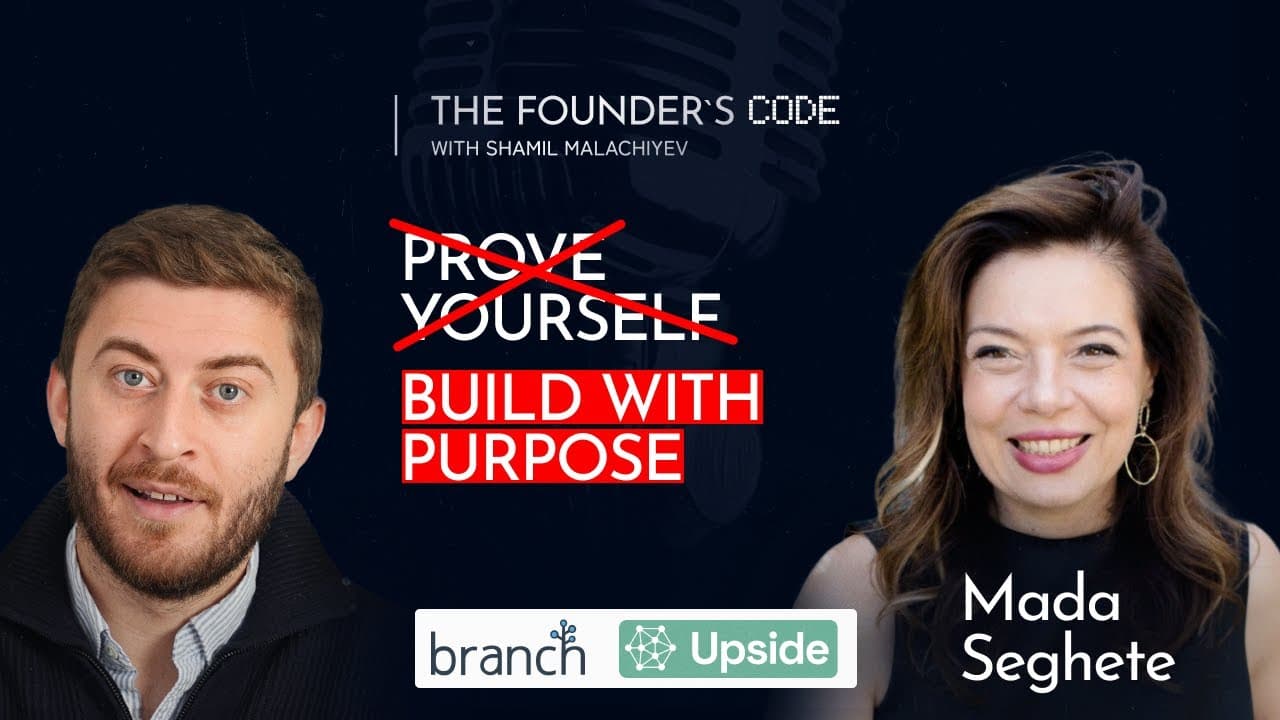
Why Founders Burn Out (and How to Reignite Drive) | Mada Seghete - Upside, Branch
with Mada Seghete — Co-founder, Upside
Mada Seghete, Branch co-founder now building Upside, says burnout isn't exhaustion: it's working hard without seeing the impact, the problem her revenue-intelligence startup exists to fix. She explains why B2B ad attribution fails, why co-founder fights kill more companies than competition, and how she replaced prove-yourself drive with purpose.
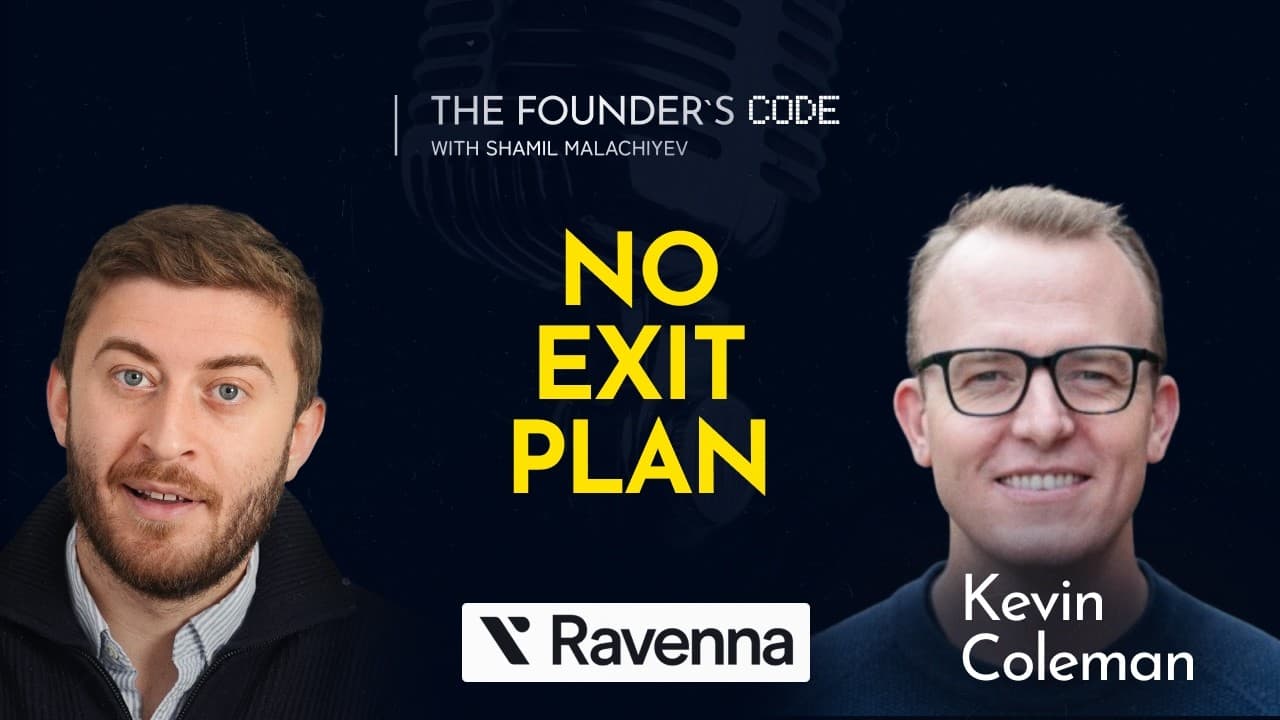
Why He's Betting Everything on a $70M Startup With No Exit Plan | Kevin Coleman - Ravenna.ai
with Kevin Coleman — Co-founder, Ravenna
Kevin Coleman, co-founder of Ravenna, has raised $15M from Khosla Ventures and Madrona to build an AI-native internal help desk inside Slack, and says he has no exit plan: the only strategy is building a consequential, enduring Northwest company. On selling against ServiceNow, a failed YC startup, the Staples easy-button contract, and founder obsession.
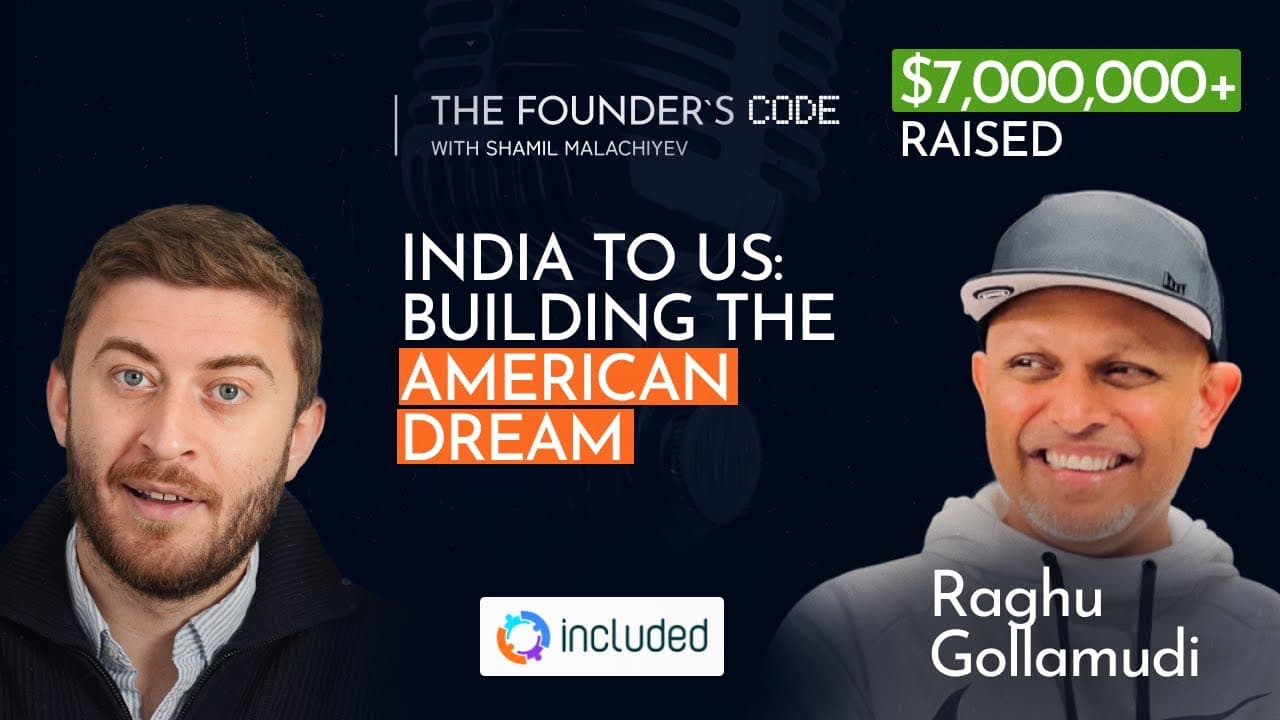
Is the American Dream Still Alive in the Age of AI? | Raghu Gollamudi – Included.ai
with Raghu Gollamudi — Co-founder & CEO, Included.ai
Raghu Gollamudi, co-founder and CEO of Included.ai, weights interviews at 30% and the first 15 days on the job at 70%. From Chennai to a decade at Microsoft to selling Integris Software to OneTrust, he explains why customers' pain matters more than their requests, and how LLMs turn 24-hour analysis into a one-minute insight.
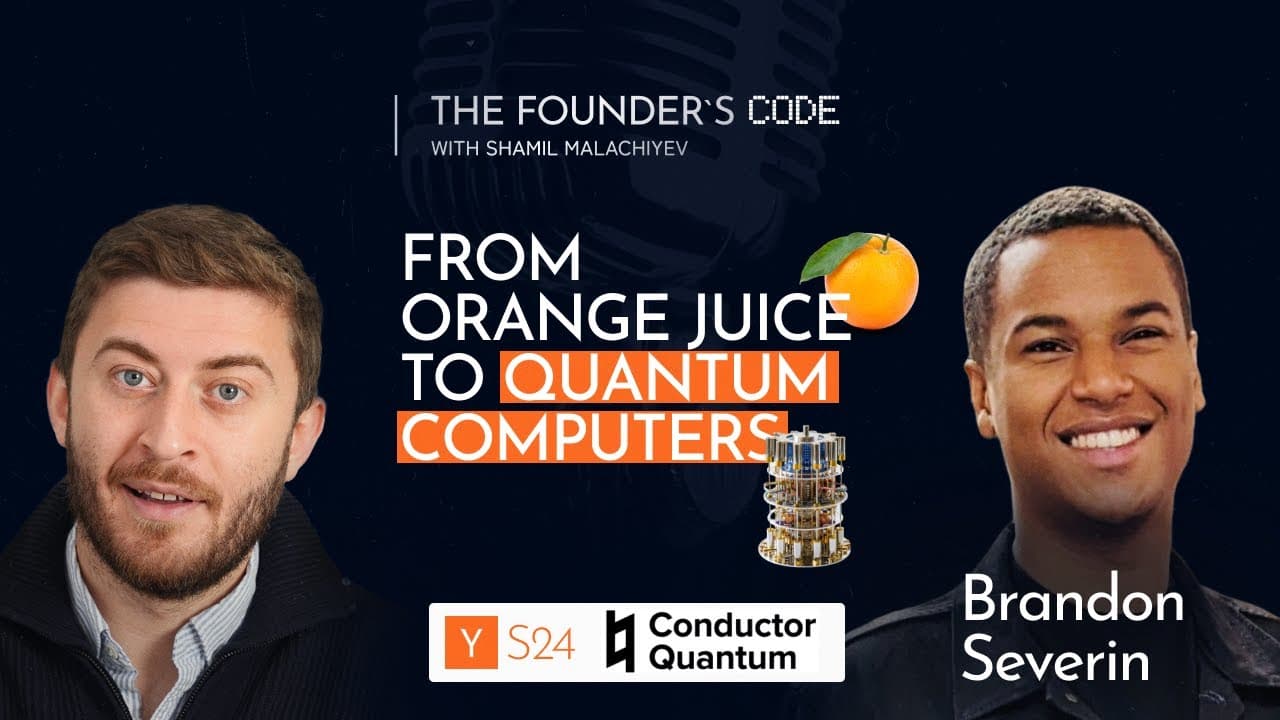
Building Y Combinator's Hottest Quantum Computing Startup | ConductorQuantum, Brandon Severin
with Brandon Severin — Co-founder & CEO, Conductor Quantum
Brandon Severin, co-founder and CEO of Conductor Quantum, is building quantum computers on silicon chips, with AI software that creates qubits a thousand times faster than current methods. He explains why he picked Y Combinator over the Oxford spin-out route, the case for aggression as a founder skill, and why he thinks quantum computing will make crypto stronger.
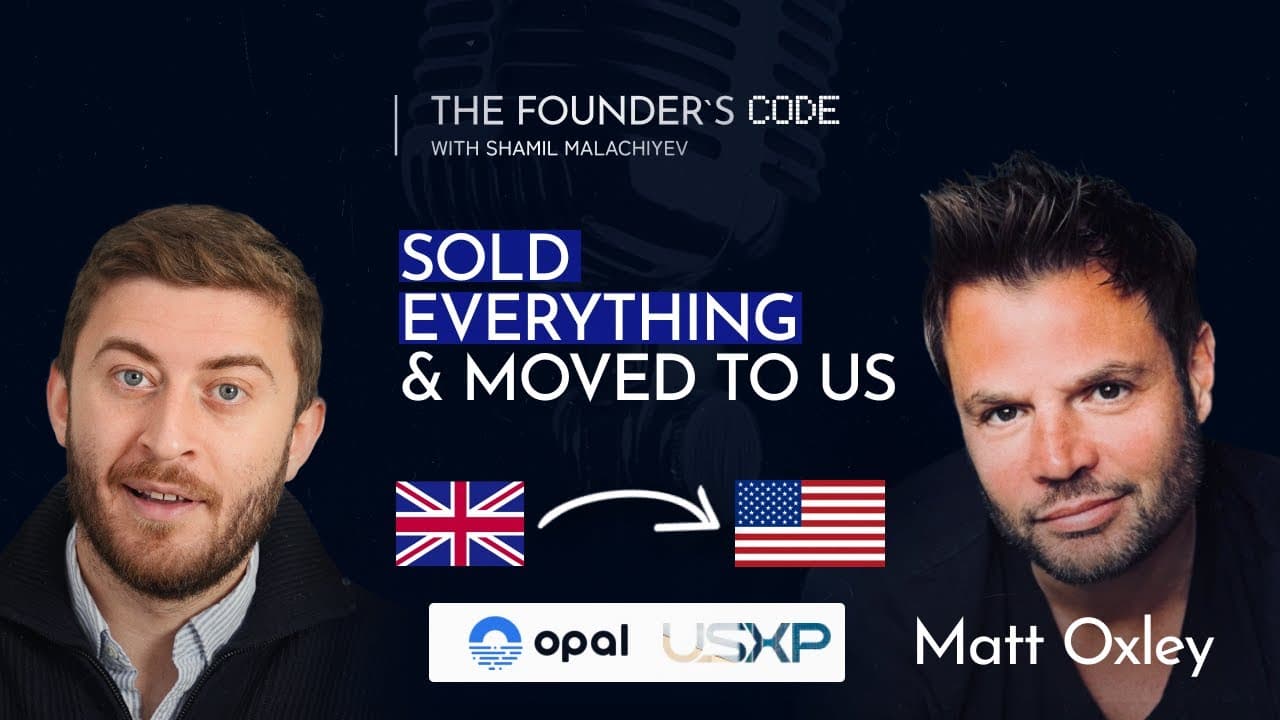
Matt Oxley (Opal Co-Founder) — Selling Everything, Scaling to the US, and the Real Founder Mindset
with Matt Oxley — Co-Founder, Opal
Selling everything he owned and moving to the US is how Matt Oxley, co-founder of Opal, scaled a startup backed by Madrona and Accel. He talks through failing in public, the burnout tradeoffs behind "work-life balance," when a founder should quit, and the $2M ARR test he now applies to European startups going stateside.
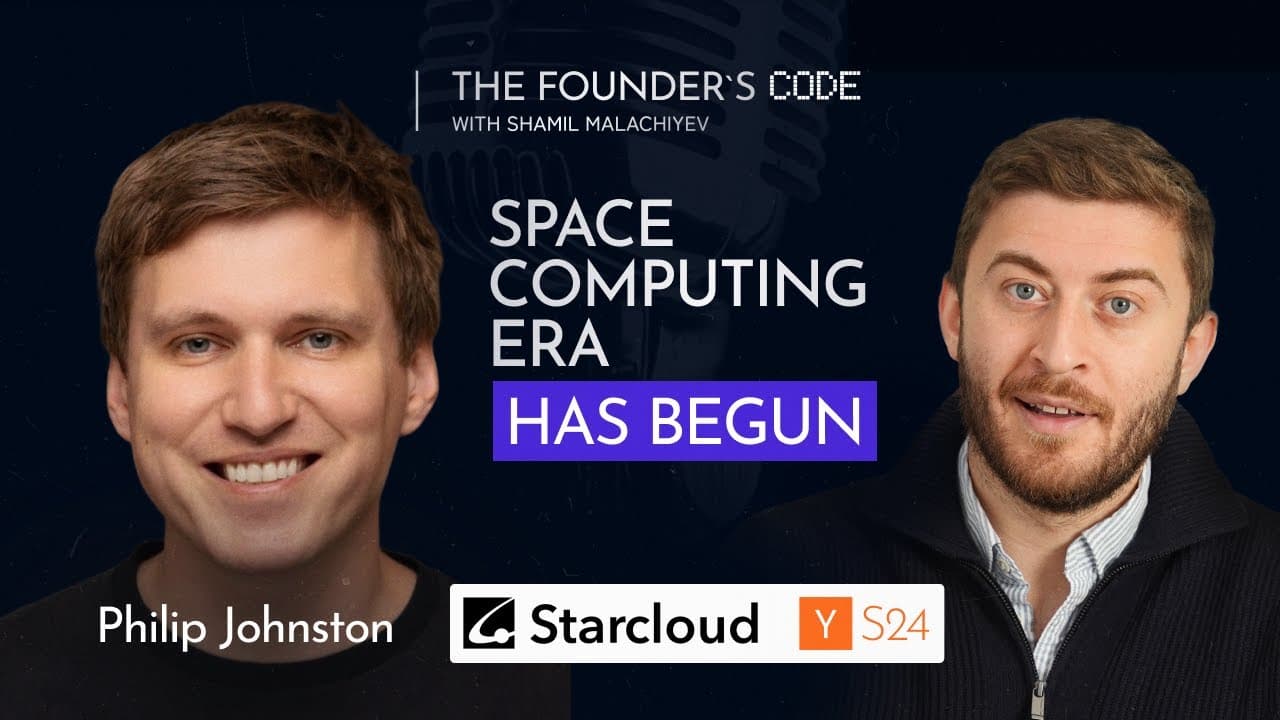
Philip Johnston - Founder of StarCloud (YC S24) | The Space Computing Era Has Begun
with Philip Johnston — Founder & CEO, StarCloud
Philip Johnston, founder and CEO of StarCloud (YC S24), says almost all new data centers will be built in space within ten years. He explains the two engineering problems in the way (radiation and heat), the launch math that could make orbital energy cheaper than Earth's, and why a 10% chance of a 1000x outcome is a bet worth taking.
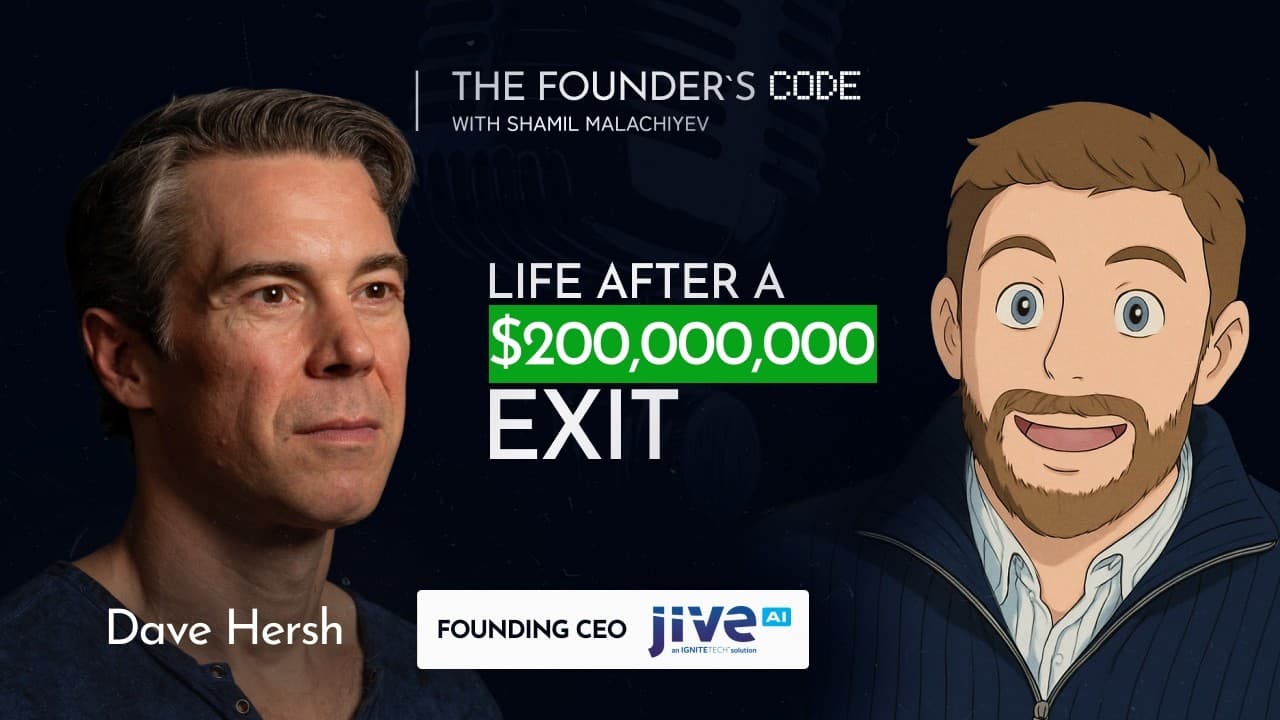
The real cost of taking a company to a $200m+ mark with Dave Hersh
with Dave Hersh — Founding CEO, Jive Software
Dave Hersh took Jive Software from a bootstrapped open source project to a Sequoia-backed NASDAQ IPO, then hit the post-exit depression he now coaches founders through. He explains why merged identity ruins decisions, what grieving an old self actually involves, and why human connection becomes the last moat once AI levels the technical playing field.
The Real Story Behind DocuSign's Early Struggles – Court Lorenzini
with Court Lorenzini — Founding CEO, DocuSign
Court Lorenzini, DocuSign's founding CEO, says the company survived its early years on unglamorous calls: firing customers it could not afford to serve, turning down an Adobe acquisition, and betting on independence. Then Microsoft's legal team phoned cold, and the sales question changed from "is this legal?" to "how do we implement?"
Every episode is on the site — and on YouTube, Spotify and Apple Podcasts.
Be a guest on the show
Two seasons, one bar: honest, first-hand conversations. Season 1 features founders on what building really takes; Season 2 — The AI Floor — features the people driving AI adoption inside the world's biggest companies. If that sounds like you (or someone you know), we'd like to hear from you.
What we're looking for
- Founders with a real story — the wins and what they cost
- Operators actually shipping AI inside large companies (product, legal, ops, the C-suite)
- Specific, first-hand lessons — numbers, mistakes, decisions — not keynote hype
- Builders happy to say what they'd do differently
Know someone who fits? The same form takes guest suggestions — pick "Suggest a guest" and point us at them.
Apply to be a guest
Or suggest someone the show should talk to. We read every submission.